The wider picture
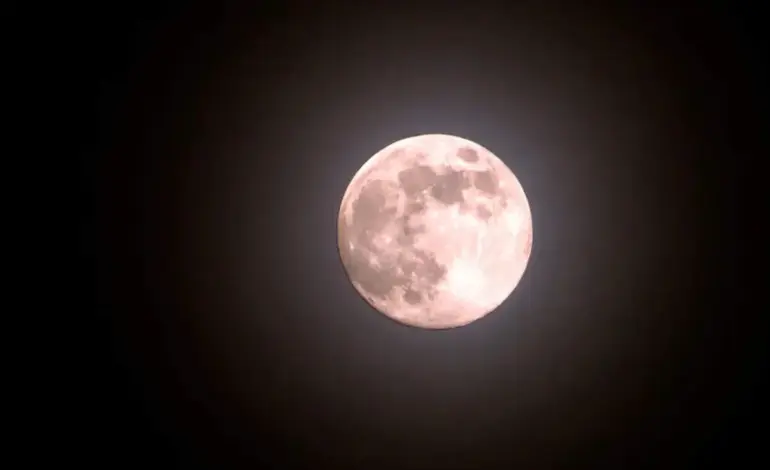
The Pink Moon, a term first coined by the Algonquin Indians, is a fascinating celestial event that has captured the imagination of many. Scheduled to occur on April 1-2, 2026, this lunar phenomenon will be visible across India, offering a spectacular sight for stargazers and casual observers alike. The name ‘Pink Moon’ does not imply that the moon will take on a rosy hue; rather, it is derived from the blooming of moss pink, a wildflower that heralds the arrival of spring.
As the date approaches, excitement is building among astronomy enthusiasts and the general public. The Pink Moon will reach its peak at 02:11 UTC on April 2, 2026, which translates to 7:41 AM IST. During this time, the moon will appear bright and nearly full throughout the night, creating an ideal opportunity for viewing. Interestingly, no telescopes will be necessary to enjoy this event, making it accessible to everyone.
Historically, the Pink Moon has been linked with themes of growth and renewal, symbolizing the transition from winter to spring. This connection to nature resonates deeply with many cultures, as it signifies a time of rejuvenation and new beginnings. The event’s visibility across India, particularly if clear skies prevail, is expected to draw significant attention from both amateur astronomers and those simply looking to experience the beauty of the night sky.
Initial reactions to the upcoming Pink Moon have been positive, with many expressing anticipation for the event. Observers are encouraged to take the opportunity to step outside and witness this natural spectacle, as it serves as a reminder of the cyclical nature of life and the changing seasons. The name ‘Pink Moon’ has nothing to do with the Moon’s colour, which adds an intriguing layer to the event’s narrative.
As we look forward to this celestial event, it is essential to recognize its cultural significance. The name was first documented in the Old Farmer’s Almanack, further solidifying its place in the annals of lunar lore. The Pink Moon not only captivates with its visual appeal but also connects us to the traditions of those who came before us, reminding us of the rich tapestry of human experience intertwined with the natural world.
Observers and officials alike are optimistic about the Pink Moon’s visibility and the public’s engagement with this event. Many expect that it will inspire a renewed interest in astronomy and nature, encouraging people to look up and appreciate the wonders of the universe. As the date approaches, educational programs and community events may emerge, aimed at enhancing public understanding of lunar phenomena.
In summary, the Pink Moon on April 1-2, 2026, is poised to be a remarkable event that invites everyone to partake in the beauty of the night sky. As we prepare for this occasion, it is a moment to reflect on the significance of such celestial occurrences in our lives and the stories they tell. With its roots in springtime traditions and its promise of a bright, nearly full moon, the Pink Moon is sure to leave a lasting impression on all who witness it.