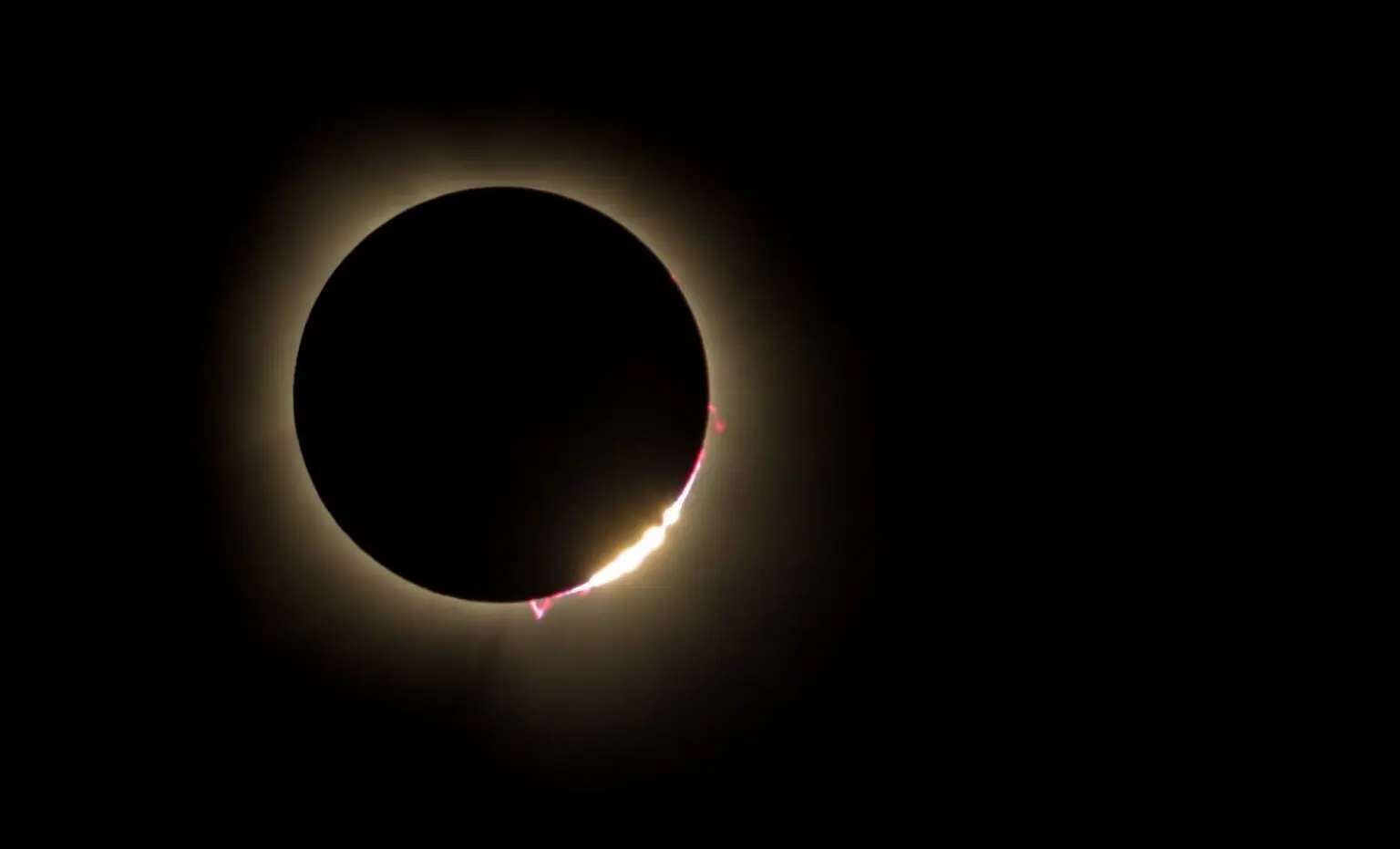
The Significance of Stars in Our Universe

Introduction: The Importance of Stars
Stars are not just beautiful celestial objects lighting up our night sky; they play a crucial role in the universe. They are the building blocks of galaxies, influencing everything from the formation of planets to the conditions necessary for life. With over 100 billion stars estimated in our Milky Way galaxy alone, understanding these celestial bodies is vital for astronomers and enthusiasts alike.
Formation and Lifecycle of Stars
Stars form from clouds of gas and dust, known as nebulae. When regions within these clouds collapse under their own gravity, they heat up and eventually ignite nuclear fusion, marking the birth of a star. This process can take millions of years, and the resulting star will spend the majority of its life in a stable phase, known as the main sequence. During this phase, stars like our sun convert hydrogen into helium, releasing vast amounts of energy.
The Impact of Stars on Earth
The significance of stars extends beyond their glow. They are essential for the synthesis of elements necessary for life. Inside stars, nuclear fusion creates elements such as carbon, nitrogen, and oxygen. When stars die, especially in supernova explosions, they scatter these elements across the universe, contributing to the formation of new stars, planets, and eventually life itself.
Current Research and Discoveries
Recent advancements in technology have led to remarkable discoveries regarding stars. Telescopes capable of observing distant galaxies have identified exoplanets orbiting stars outside our solar system, raising questions about the potential for extraterrestrial life. The James Webb Space Telescope has recently provided insights into the formation of stars in distant galaxies, helping scientists understand the early stages of the universe.
Conclusion: The Continuing Mystery of Stars
As we continue to explore the universe, stars remain a focal point of research and discovery. With missions targeting nearby star systems and studies on their life cycles, scientists are continually uncovering the mysteries of these celestial giants. The ongoing investigation into the role of stars not only deepens our understanding of the cosmos but also illuminates our place within it, reminding us of the interconnectedness of all matter.