Naseem Shah Cricketer: The Controversial Fine That Shook Pakistan Cricket
What the data shows
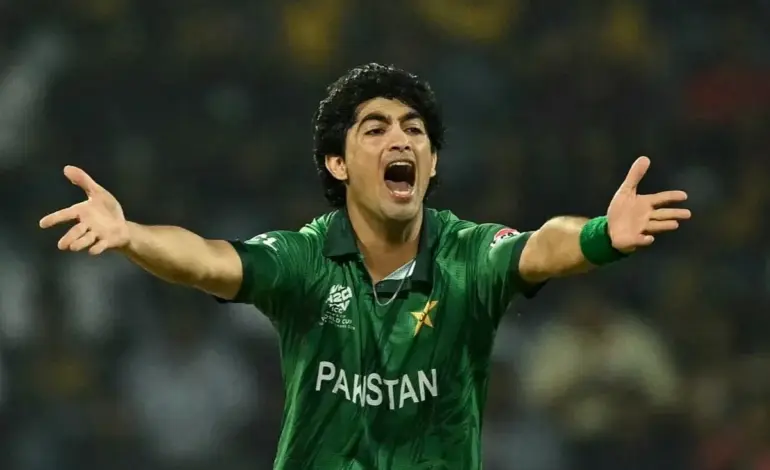
The recent incident involving Naseem Shah, a promising cricketer from Pakistan, has raised significant questions about the boundaries of player conduct in the age of social media. Shah was fined a staggering PKR 20 million by the Pakistan Cricket Board (PCB) for a sarcastic remark he made about Punjab Chief Minister Maryam Nawaz on social media. This fine is not just substantial; it is the largest ever imposed in the history of Pakistan cricket.
On March 27, 2026, during the opening match of the Pakistan Super League, Shah’s post drew immediate backlash, prompting the PCB to take swift action. Following the controversy, Shah deleted the post and claimed that his account had been hacked, a defense that many found unconvincing. The PCB’s decision to impose such a hefty fine has sparked debate among fans and former players alike.
Younis Khan, a former cricketer and respected figure in Pakistan cricket, criticized the PCB for what he deemed an excessive penalty. He suggested that after Shah apologized and attributed the post to his social media manager, the board could have opted for a warning instead of a financial punishment. Khan’s remarks underscore a growing concern about the PCB’s approach to player discipline and the potential impact on young athletes.
Furthermore, the PCB has issued new guidelines prohibiting political posts by players on social media, indicating a shift in how the governing body intends to manage its players’ online presence. This move reflects a broader trend in sports governance, where organizations seek to maintain a certain image and avoid controversies that could tarnish their reputation.
Interestingly, the fine imposed on Shah has not only financial implications but also raises questions about the future of his career. With 152 wickets to his name across all formats, Shah is considered a vital asset to the national team. However, the severity of this fine has led to speculation about his standing within the PCB and his potential for future opportunities.
Basit Ali, another former cricketer, added to the discourse by revealing that there were discussions about a potential two-year ban for Shah, which the committee had initially recommended. This information sheds light on the gravity of the situation and the PCB’s stringent stance on player conduct. The blacklisting of Shah’s social media manager further illustrates the board’s commitment to enforcing its new guidelines.
As the dust settles on this incident, the cricketing community is left to ponder the implications for Naseem Shah and the broader landscape of player engagement with social media. The PCB’s actions may serve as a warning to other players about the potential repercussions of their online activities. However, the question remains: how will this affect Shah’s performance and relationship with the board moving forward?
Details remain unconfirmed regarding the long-term impact of this incident on Shah’s career, but one thing is clear: the intersection of sports and politics continues to be a contentious issue in Pakistan cricket.