Spain’s Dominance in Final
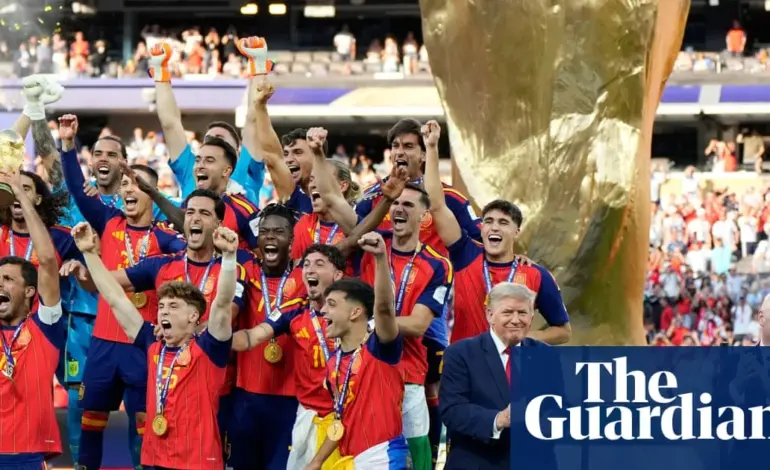
Spain secured their second FIFA World Cup title with a 1-0 victory over defending champions Argentina at the New York New Jersey Stadium. The decisive goal came in the 106th minute from Ferran Torres during extra time. This triumph marks Spain’s first World Cup win since 2010, and their second overall.
The match was characterized by Spain’s overwhelming control, which effectively neutralized Argentina’s Lionel Messi. Spain registered 20 shots, with 12 on target, and completed 738 of their 817 passes. In stark contrast, Argentina failed to record a single shot in regular time, a statistic that places the 2026 final in a unique category. According to Opta, only three teams in nearly 900 World Cup matches since 1966 have failed to attempt a shot during normal time, with Argentina now among them.
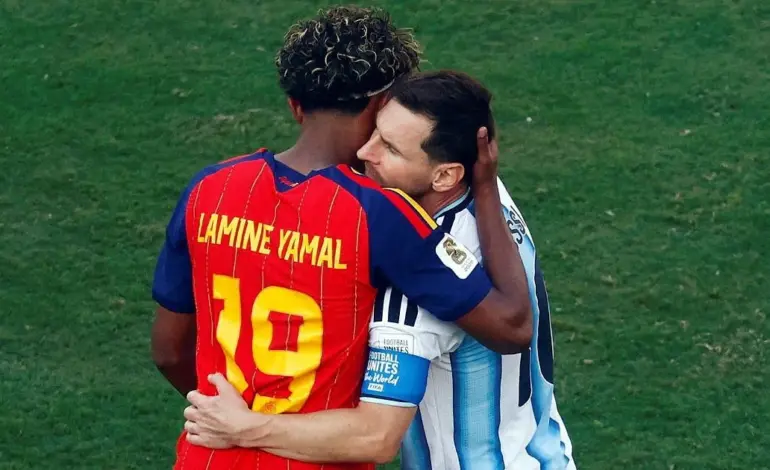
Spain’s midfield, featuring players like Fabian Ruiz and later Pedri, dictated the game’s rhythm. Alex Beana and Rodri consistently found space between lines, while Dani Elmo, and later Nico Williams Jr and Lamine Yamal, stretched the pitch with their width. This tactical approach forced Argentina into a defensive posture for most of the match, preventing them from establishing their usual rhythm.
Messi Isolated as Argentina Struggles
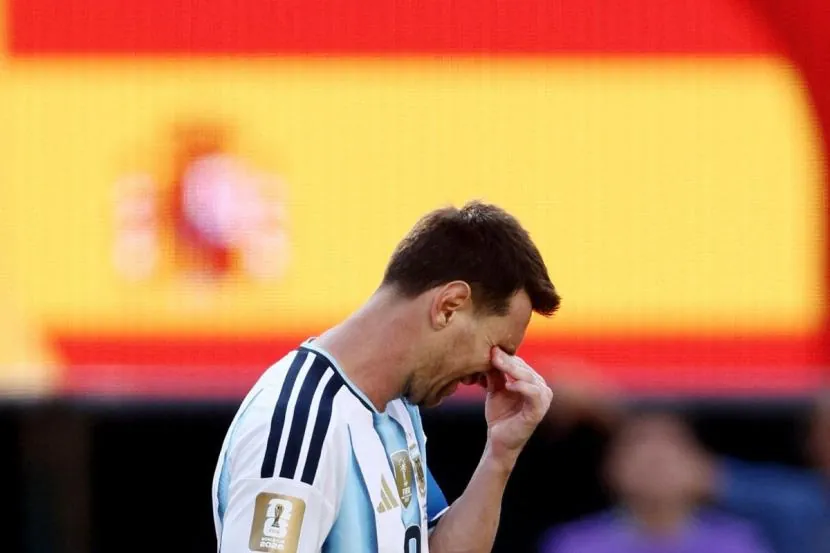
Lionel Messi, who had led Argentina through a deep World Cup run at the age of 39, found himself largely isolated throughout the final. Every touch he made was immediately met by Spanish players, and passing lanes were consistently closed. This made it difficult for him to impose his style of play, resulting in one of his quietest performances in a World Cup match. Spain’s strategy ensured the game was not played on his terms.
Argentina’s inability to escape their own half further highlighted Spain’s control. The South American side finished the 90 minutes with only 34% possession, their lowest share of the ball in any World Cup match since Opta began recording such statistics in 1966. Goalkeeper Emiliano Martínez recorded the most touches for Argentina, underscoring how effectively Spain pinned back the reigning champions.
Despite Spain’s dominance, Martínez made several crucial saves, denying opportunities from Williams, Pedri, and Torres, and repeatedly frustrating Spain’s attacking efforts. However, even his efforts could not withstand the sustained pressure. The deadlock was finally broken 16 minutes into extra time when Williams set up Torres for the winning goal.
Late Red Card and Coaching Milestone
Argentina’s hopes were further diminished when Enzo Fernández received a second booking in stoppage time, reducing Lionel Scaloni’s team to 10 men. This red card effectively extinguished any realistic chance of an Argentine comeback, though the balance of the match had already shifted significantly in Spain’s favor.
Spain’s victory was attributed to their collective superiority, with Luis de la Fuente’s side controlling possession, dictating territory, and stifling Argentina’s attacking avenues. Their pressing prevented transitions, their midfield recycled possession with composure, and their defensive line limited the space for Messi and Julián Álvarez.
The defeat marked the end of Argentina’s reign that began four years ago in Qatar. For Messi, this final appearance saw him become only the second player to feature in three World Cup finals and the oldest outfield player to do so. Spain’s coach, Luis de la Fuente, at 65 years old, became the oldest World Cup-winning coach. His team also set a record for the fewest goals conceded during a successful World Cup campaign, with goalkeeper Unai Simon winning the Golden Glove after conceding just one goal in eight matches.
Source: timesofindia.indiatimes.com