What does the upcoming Census 2027 mean for India and its citizens? This pivotal event signifies a comprehensive re-engineering of the enumeration process, moving towards a fully digital methodology that promises to enhance data accuracy and accessibility.
Scheduled to commence on April 1, 2026, the Census will unfold in two phases: House Listing and Population Enumeration. The first phase will feature 33 questions, covering various aspects of household demographics, including the sex of the head of the household and dietary habits.
For the first time since 1931, Census 2027 will incorporate caste enumeration, a move that has generated significant discussion regarding its implications for social policy and representation. The government has allocated an impressive budget of over ₹11,718 crore for this initiative, emphasizing its importance in shaping future planning for education, health, and infrastructure.
As noted by the Registrar General and Census Commissioner of India, “Census 2027 is not a rescheduled count. It is a complete re-engineering of the enumeration process.” This transformation aims to collect, validate, and process data in near real-time, a significant leap from traditional methods.
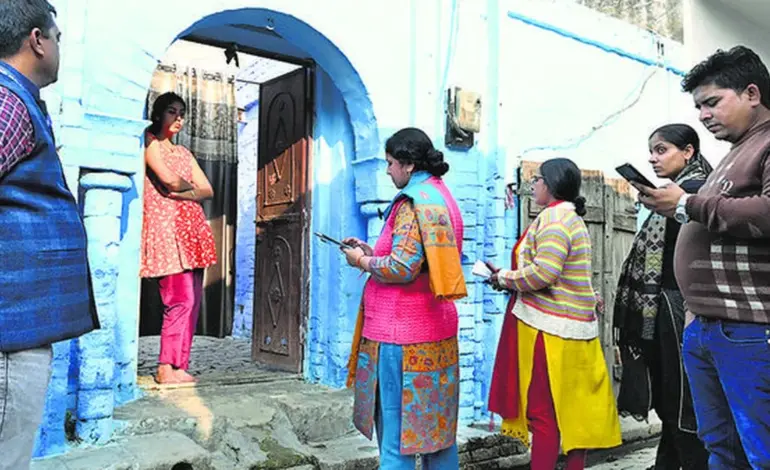
Approximately 1.4 billion individuals will be covered by this census, with the involvement of around 3.2 million field personnel. The self-enumeration portal will be accessible in 16 languages, ensuring inclusivity and ease of access for diverse populations.
Citizens are encouraged to provide accurate information, as the data collected will directly influence the quality of planning for essential services over the next decade. The Registrar General has emphasized the importance of this data, stating, “The data determines the quality of planning for education, health, housing, and infrastructure for the next decade.”
While the groundwork for Census 2027 is being laid, uncertainties remain regarding how the digital transformation will be received by the public and its effectiveness in capturing the diverse demographics of India. Details remain unconfirmed.
As we approach the self-enumeration start date, the implications of this census will be closely watched, not only for its immediate impact but also for its long-term effects on policy and society in India.