NATO Faces Unprecedented Crisis Amid Trump’s Threats
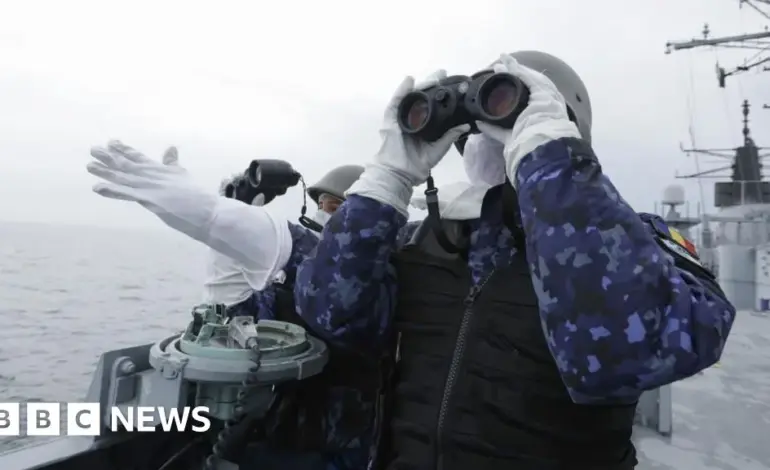
NATO, the North Atlantic Treaty Organization, has long been a cornerstone of transatlantic security, but it now finds itself in a precarious situation. Former President Donald Trump has consistently criticized the alliance, labeling it a “paper tiger” and threatening to withdraw the United States from its commitments. His remarks have raised alarms among European allies, who have increasingly expressed anxiety about the future of their defense arrangements.
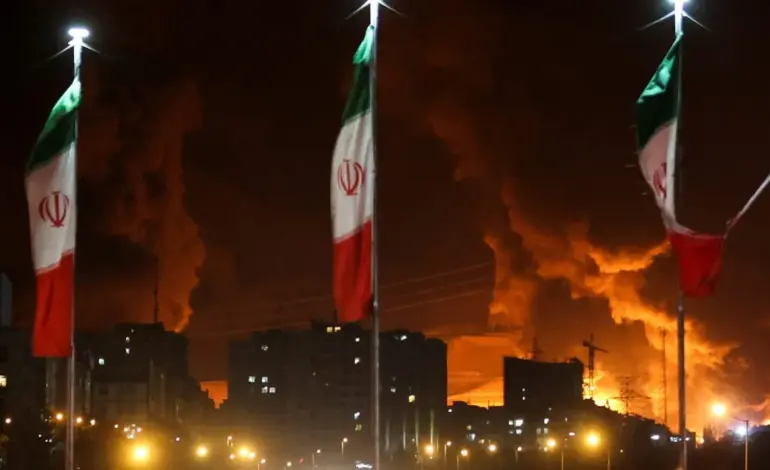
Trump’s rhetoric has escalated, particularly in light of European nations’ reluctance to support his actions in Iran. His comments have prompted Secretary of State Marco Rubio to suggest a reevaluation of the US relationship with NATO, questioning the rationale behind continued American participation if allies are unwilling to cooperate.
Former US ambassador to NATO, Ivo Daalder, has characterized the current situation as the worst crisis NATO has ever confronted. This sentiment echoes the concerns of European leaders, who have pledged to increase defense spending in response to the shifting dynamics within the alliance.
British Prime Minister Keir Starmer has defended NATO, asserting that it has kept the UK safe for decades, while French armed forces minister Alice Rufo has called for a strengthening of Europe’s defense capabilities within the Atlantic alliance. These statements reflect a growing recognition among European leaders of the need to bolster their military readiness in the face of uncertainty.
Moreover, Trump’s critical stance towards NATO has inadvertently opened doors for other nations, such as India, to emerge as potential defense partners for Europe. This shift could reshape the geopolitical landscape, as traditional alliances are tested.
In the midst of this turmoil, Dutch Prime Minister Mark Rutte, often referred to as the “Trump whisperer,” has made efforts to maintain a constructive dialogue with the former president. Rutte’s approach underscores the complexities of navigating international relations in an era marked by unpredictability.
As NATO grapples with these challenges, the alliance’s future remains uncertain. Observers are keenly watching how European nations will respond to the pressures exerted by the US and the implications for collective security in the region.
While NATO leaders have reiterated their commitment to the alliance, the underlying tensions and diverging priorities among member states could lead to significant changes in the organization’s structure and function.
Details remain unconfirmed regarding the long-term impact of these developments, but it is clear that NATO is at a crossroads, facing both internal and external pressures that could redefine its role in global security.