Iran Time: Escalation in the Strait of Hormuz
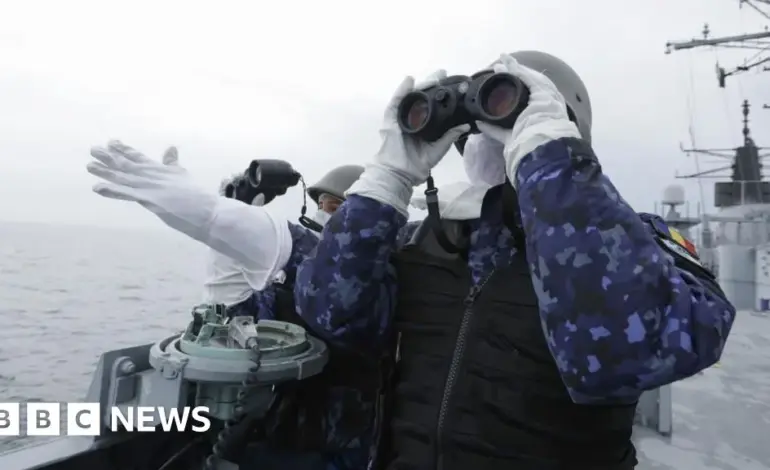
The recent escalation in the Iran conflict has led to a significant global energy shock, primarily due to the closure of the Strait of Hormuz. This vital waterway, through which approximately 20% of the world’s oil passes, has seen foreign and Indian vessels stranded, exacerbating the crisis.
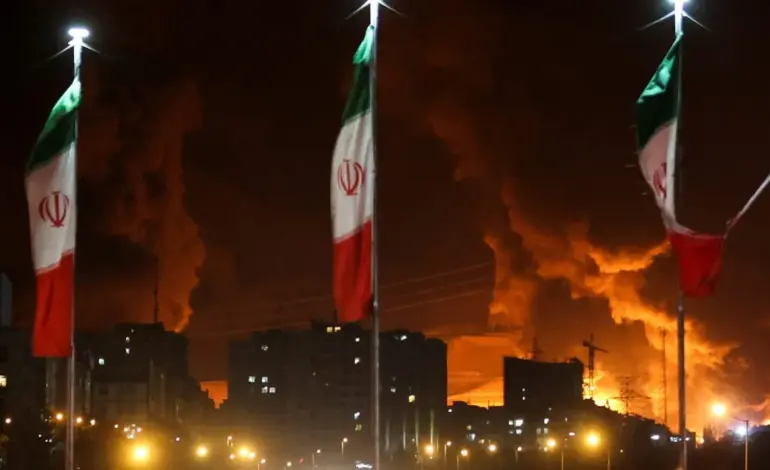
The conflict intensified following a U.S. and Israeli attack on February 28, 2026, which resulted in the death of Iran’s Supreme Leader Ayatollah Ali Khamenei. In retaliation, Iran has targeted U.S. military facilities and civilian infrastructure in Gulf states, leading to a reported 1,500 civilian casualties, according to Iran’s ambassador to the United Nations.
The closure of the Strait has prompted the International Energy Agency to release 400 million barrels from its strategic reserve to stabilize the market. This decision underscores the urgency of the situation, as the global energy supply chain faces unprecedented disruptions.
India, which had not imported Iranian crude oil since May 2019 due to U.S. sanctions, is set to receive its first shipment of Iranian oil by April 4, 2026. This development marks a significant shift in India’s energy strategy, which had previously relied heavily on Iranian imports, totaling around 23-24 million tonnes annually before sanctions.
However, the geopolitical landscape remains fraught with uncertainty. Former President Donald Trump has publicly stated that securing the Strait of Hormuz is “not for us,” urging allies to “go get your own oil.” This statement reflects a broader shift in U.S. foreign policy regarding energy security in the region.
As the situation unfolds, the long-term implications of India’s renewed oil imports from Iran remain uncertain. The conflict has escalated into what some are calling a regional war, with widespread ramifications for critical supply chains and humanitarian aid.
Details remain unconfirmed regarding the exact impact of the closure of the Strait of Hormuz on global energy supplies. With ten foreign tankers and eighteen Indian vessels stranded, the situation is precarious and could lead to further escalation.
Iran’s Foreign Minister Abbas Araghchi has labeled the U.S. and Israeli attack as “an act of war,” indicating the potential for continued hostilities. The international community watches closely as the deadline set by Trump for Iran to reopen the Strait approaches on April 6, 2026.
In summary, the conflict in Iran has not only escalated tensions in the region but also poses significant risks to global energy security, with the world awaiting further developments in this critical situation.