Outsourcing: Puan Maharani’s Urgent Call for Worker Protections
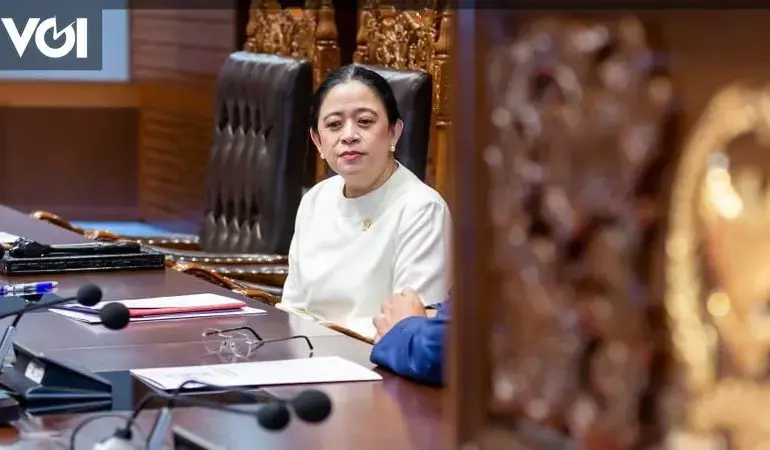
Puan Maharani’s recent address on May Day 2026 in Jakarta underscores a pressing issue—the urgent need for stronger worker protections in the face of potential mass layoffs. With the specter of 9,000 job losses looming, her remarks resonate deeply within the labor community.
On this significant day—celebrated globally as a symbol of workers’ rights—Maharani articulated 11 demands from labor groups, prominently featuring the elimination of outsourcing practices that undermine job security. Workers are increasingly vocal about their rights, and this year’s demands reflect a growing concern over their futures.
The backdrop to these discussions is stark. Puan highlighted that achieving the ambitious target of creating 19 million jobs over five years will be nearly impossible without fortifying the industrial foundation. The implications are clear: without robust employment policies, the workforce remains vulnerable.
In her speech, Puan stated, “When work uncertainty increases, social pressure will be felt very quickly at the family level.” This sentiment captures the essence of what many workers experience daily—an unsettling anxiety about job security and financial stability.
Moreover, Puan welcomed the 7th number of Permenaker regarding outsourcing but insisted on establishing clear limits on its application. She noted that digital transport workers—like online drivers—deserve equal protections and should not be treated as second-class employees.
Adding to the urgency, she referenced a tragic train accident in East Bekasi that resulted in multiple fatalities among workers returning home. This incident serves as a grim reminder of the broader safety issues facing workers today.
Puan asserted that “the state must also ensure that transportation is safe and that facilities for workers’ families are truly qualified.” The need for comprehensive safety measures cannot be overstated, especially when lives are at stake.
The dialogue around outsourcing and worker rights is more than just policy—it’s about human dignity and respect. As Puan emphasized, all workers—including domestic help—deserve equal protection under law. The challenge ahead lies in converting these urgent calls into actionable reforms.
As we reflect on these developments, it becomes evident that the path forward requires not just awareness but decisive action from both policymakers and industry leaders. The upcoming months will be crucial in determining how effectively these calls for reform translate into tangible changes for Indonesia’s workforce.