Raja Shivaji: A Historical Drama Amidst Controversy
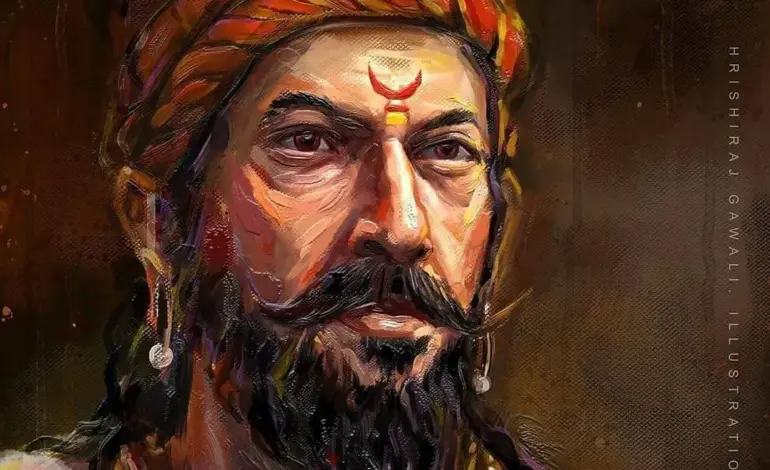
The film Raja Shivaji, directed by Riteish Deshmukh, has stirred legal controversy just before its release, raising significant questions about historical representation in cinema. Set in the mid-seventeenth century Maharashtra, it chronicles the evolution of Shivaji Shahaji Bhonsle into the iconic Chhatrapati Shivaji Maharaj.
The Bombay High Court recently dismissed a petition claiming the title was derogatory, highlighting the sensitivities surrounding how history is portrayed—especially regarding figures like Shivaji who symbolize resistance against the Mughal Empire and the Deccan Sultanate.
Shivaji’s main adversary in the film is Afzal Khan, and the narrative emphasizes his pursuit of Hindavi Swaraj, or sovereignty for his land and people. Critics have described Raja Shivaji as a “studious, plodding affair,” yet it aims to illustrate the brutal realities of power struggles during that era.
Key facts about the film:
- The film runs for a total of 195 minutes.
- It features a mix of Marathi and Hindi dialogue.
- Vidya Balan plays the role of an Adlishahi queen, while Salman Khan makes a cameo as Jeeva Mahala.
The screenplay, co-written by Deshmukh and others, attempts to capture both Shivaji’s religious bent—evident in his use of saffron flags—and the brutal tactics employed by his opponents. The portrayal invites audiences to reflect on how history can be interpreted through different lenses.
As anticipation builds for its release, questions linger about whether this depiction will resonate positively with audiences or ignite further debates over historical accuracy. The film’s emphasis on Shivaji’s legacy could either reinforce or challenge existing narratives surrounding the Maratha Empire.