Earth Hour: A Global Call to Action Marks 20 Years
The numbers
Earth Hour, a global initiative aimed at raising awareness about climate change, marks its 20th anniversary this year. The event, which originated in Australia in 2006, encourages nations to turn off their lights for one hour, from 8:30 PM to 9:30 PM, to symbolize their commitment to environmental sustainability.
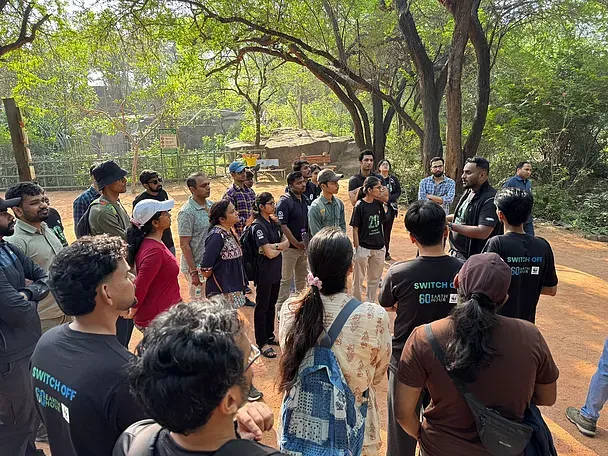
In India, the Ministry of Environment, Forest and Climate Change has been actively involved in promoting this initiative. Notably, WWF-India organized an awareness campaign in Gwalior, where participants were encouraged to “Give an Hour for Earth.” The event saw over 450 attendees at the Sanjay Van Earth Hour Mahotsav, highlighting the growing public interest in environmental issues.
Last year, Earth Hour saw participation from more than 118 countries and territories, with over 3 million hours pledged in support of climate action. This year, iconic monuments and government buildings across India, including the Sky Tower and the Sydney Opera House, joined in the symbolic switch-off, reinforcing the event’s global significance.
The Delhi Development Authority (DDA) emphasized the importance of public engagement, stating, “Sanjay Van is one of Delhi’s most valuable natural assets, and it is encouraging to see such strong public participation in celebrating and understanding its ecological and historical significance.” This sentiment reflects a broader trend of communities coming together to address environmental challenges.
Karan Bhalla, COO of WWF-India, expressed a desire to deepen the impact of Earth Hour beyond just the act of switching off lights. He stated, “This Earth Hour, we want to go beyond the symbolic act of switching off lights and create an opportunity for people to reconnect with nature in a meaningful way.” This approach seeks to foster a more profound understanding of environmental issues among participants.
Viviane Raddatz from WWF Germany echoed this sentiment, noting, “With Earth Hour, we are bringing climate action back into the public spotlight. We are making it visible.” Such statements underline the importance of visibility and public engagement in the fight against climate change.
As Earth Hour continues to evolve, observers are keenly watching how participation levels will change this year, especially in light of the ongoing global climate crisis. The event’s ability to mobilize communities and raise awareness remains a critical factor in its success. Details remain unconfirmed regarding specific participation metrics for this year, but the momentum built over the past two decades suggests a strong turnout is likely.