The numbers
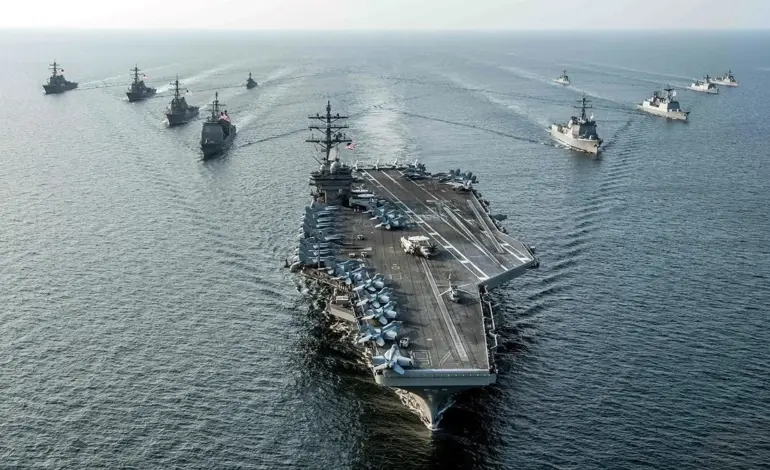
On March 25, 2026, Iran asserted that it launched a cruise missile targeting the USS Abraham Lincoln, a prominent aircraft carrier of the United States Navy. This provocative claim comes amid a backdrop of escalating military tensions in West Asia, particularly following recent airstrikes conducted by the United States and Israel against Iranian positions.
The Iranian Army’s public relations department reported that coastal cruise missiles were fired in the direction of the USS Abraham Lincoln. An Iranian naval commander explicitly warned that the carrier would be targeted should it enter the range of Iran’s missile systems. This statement underscores the heightened state of alert and the aggressive posture adopted by Iran in response to perceived threats.
In a dramatic display, Iranian state media released a video purportedly showing missile launches accompanied by sounds of explosions. However, this footage has not been independently verified, raising questions about its authenticity. The absence of confirmation from the United States regarding any missile strike on the USS Abraham Lincoln further complicates the narrative, leaving observers to wonder about the veracity of Iran’s claims.
According to Iranian military officials, the USS Abraham Lincoln was forced to change its position due to the missile launch. The Iranian Navy reportedly utilized its Qader cruise missiles in this operation, which they claim successfully targeted the U.S. carrier. Lieutenant Colonel Ebrahim Zolfaqari emphasized that “the era of your promises is over” and asserted that stability in the region is maintained by the might of Iran’s armed forces.
This incident is not an isolated event but rather a continuation of ongoing conflicts in the region, where military actions have intensified since late February. The Iranian military’s rhetoric reflects a broader strategy aimed at projecting strength and defiance against U.S. influence in West Asia. Zolfaqari’s remarks, including that “if the self-proclaimed superpower of the world could have escaped this predicament, it would have done so by now,” highlight Iran’s determination to challenge U.S. dominance.
Despite the dramatic claims from Iran, the lack of independent verification regarding the missile launch and its impact raises significant uncertainties. Details remain unconfirmed, including the status of the USS Abraham Lincoln following the reported missile launch and whether any damage occurred. The absence of U.S. confirmation leaves the situation ambiguous, prompting analysts to scrutinize the implications of this incident for regional security.
As tensions continue to simmer, the international community watches closely. Iranian officials have denied any official communication with the United States regarding the situation, further complicating diplomatic efforts. The Iranian military’s assertion that the “era of relying on U.S. assurances is over” signals a potential shift in the regional power dynamics, with Iran positioning itself as a formidable player in the ongoing geopolitical contest.
In summary, the claims surrounding the USS Abraham Lincoln and the missile launch from Iran not only highlight the precarious state of affairs in West Asia but also reflect the broader strategic narratives at play. As the situation develops, the potential for miscalculation or escalation remains a pressing concern for all parties involved.