Reaction from the field
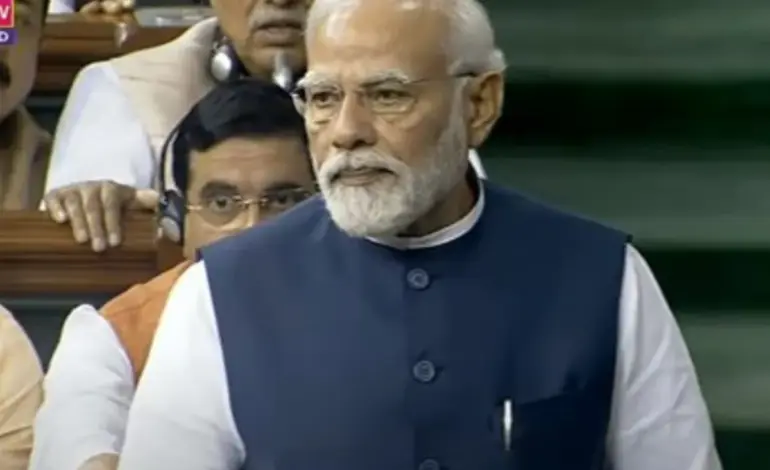
India’s recent policy announcements have ignited discussions regarding its commitment to climate change and the regulation of non-governmental organizations (NGOs). Prime Minister Narendra Modi emphasized that India’s diplomatic approach during heightened tensions in West Asia showcases its capability to build relationships while effectively managing crises. This assertion comes at a time when the nation is under scrutiny for its environmental policies and the governance of foreign contributions to NGOs.
In a significant move, the Indian government has committed to reducing the emissions intensity of its GDP by 47 percent by 2035 from 2005 levels. This ambitious target is part of the Nationally Determined Contribution (NDC) approved by the Union Cabinet, which outlines India’s climate action framework through the National Action Plan on Climate Change (NAPCC). The NDC aims to achieve 60 percent of cumulative electric power installed capacity from non-fossil fuel-based energy resources by 2035, marking a critical step towards sustainable energy practices.
Additionally, India plans to create a carbon sink of 3.5 to 4.0 billion tonnes of CO₂ equivalent through forest and tree cover by 2035. These initiatives reflect a growing recognition of the need for robust climate action, especially as global attention shifts towards sustainability and environmental responsibility. However, the effectiveness of these measures will depend on their implementation and the political will to follow through.
On another front, the Foreign Contribution (Regulation) Amendment Bill, 2026, has raised eyebrows among civil society groups. This legislation aims to enhance government oversight of NGOs, which currently number around 16,000 and receive approximately ₹22,000 crore ($2.6 billion) in foreign contributions annually. The proposed bill allows the government to take control of the assets of NGOs whose FCRA registration is revoked or not renewed, a move that critics argue could stifle dissent and limit the operational capacity of civil society organizations.
Nityanand Rai, the Minister of State for Home Affairs, stated, “The Modi government will not tolerate any misutilisation of foreign funding and will take strong action against such elements.” This statement underscores the government’s stance on foreign contributions, but it also raises concerns about potential overreach and the implications for NGOs working on various social issues.
The reduction of the maximum jail term for violations of the FCRA from five years to one year has been framed as a step towards a more balanced approach. However, the overall sentiment among NGOs is one of apprehension, as they fear that increased regulation may lead to a chilling effect on their ability to operate freely.
As India navigates these complex issues, the interplay between climate commitments and the regulation of NGOs will be closely watched. The government’s ability to balance environmental goals with the need for a vibrant civil society will be crucial in shaping the future landscape of India. Details remain unconfirmed regarding how these policies will be implemented and their potential impact on both climate action and civil liberties.