Tsunami Warning: A 6.7 Magnitude Earthquake Strikes South Shetland Islands
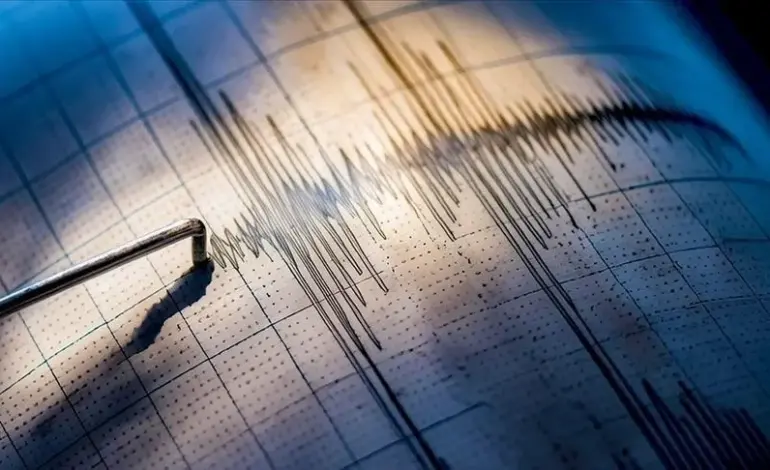
The South Shetland Islands, known for their seismic activity, recently experienced a magnitude 6.7 earthquake. Prior to this event, expectations surrounding earthquakes of such magnitude often included concerns about potential tsunamis, particularly given the region’s history of seismic disturbances.
However, the decisive moment came when the US Tsunami Warning System quickly assessed the situation and announced that no tsunami was expected for the US Atlantic, Gulf, or Pacific coasts. This was a significant shift from the usual protocol, where any substantial earthquake might raise alarms about possible ocean-wide disturbances.
Despite the earthquake’s depth of 10 kilometers (6.21 miles), which is relatively shallow and often associated with stronger surface effects, there were no immediate reports of damage or casualties. This outcome is particularly noteworthy, as it contrasts sharply with the heightened fears that typically accompany seismic events of this nature.
On the same day, March 18, 2026, multiple regions worldwide recorded moderate earthquake activity, including a 4.2 magnitude quake in Indonesia and a 4.5 magnitude quake in Spain. Yet, none of these events resulted in tsunami warnings, highlighting a trend where moderate strength and depth of earthquakes are increasingly deemed insufficient to create significant oceanic disturbances.
Experts point out that the earthquakes’ moderate strength and depth were critical factors in the lack of tsunami alerts. For instance, the Indonesian earthquake occurred at a depth of 157 kilometers, while Japan’s quake near the Izu Islands registered a depth of 503 kilometers. Such depths typically mitigate the potential for tsunami generation.
Authorities remain vigilant, continuously monitoring seismic conditions to ensure public safety. The absence of a tsunami warning in this instance may reflect improved understanding and predictive capabilities regarding seismic events.
In conclusion, while the South Shetland Islands earthquake was significant, the swift response from the US Tsunami Warning System and the lack of resultant tsunami warnings illustrate a growing confidence in assessing the risks associated with seismic activity. Details remain unconfirmed regarding any long-term implications of this event, but for now, the immediate threat appears to have been effectively managed.