Pm sym: PM-SYM: A Lifeline for India’s Unorganized Sector Workers
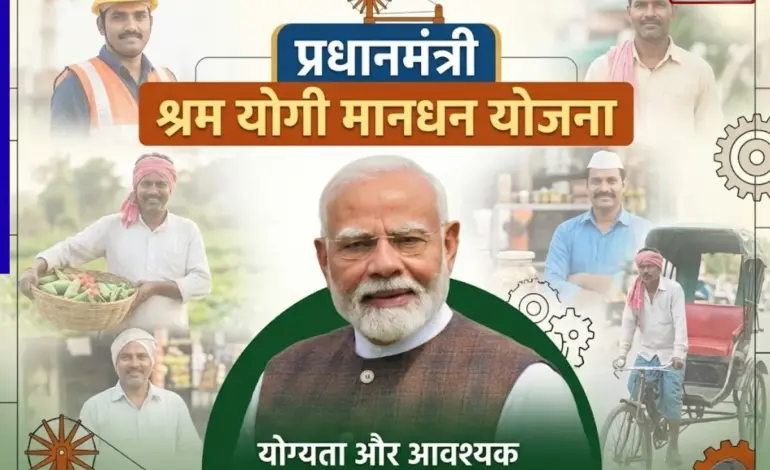
The PM-SYM scheme, launched in 2019, is a crucial initiative aimed at providing financial security to unorganized sector workers in India. Under this scheme, eligible participants can receive a pension of up to ₹3000 per month after reaching the age of 60, significantly enhancing their post-retirement income.
To qualify for the PM-SYM scheme, applicants must be aged between 18 to 40 years and have a monthly income of less than ₹15000. This demographic is particularly vulnerable, often lacking access to traditional retirement benefits such as the Employees’ Provident Fund (EPF) or the National Pension System (NPS).
Participants are required to contribute monthly to the scheme to secure their pension benefits. This structure not only encourages savings but also instills a sense of financial responsibility among workers who may otherwise rely solely on informal support systems.
In the unfortunate event of a beneficiary’s death, the scheme ensures that the spouse receives half of the pension amount, providing additional financial support during a challenging time.
The PM-SYM scheme reflects the Indian government’s commitment to improving the welfare of its unorganized workforce, which constitutes a significant portion of the country’s labor market. Historically, these workers have faced numerous challenges, including job insecurity and lack of social safety nets.
As the scheme continues to evolve, observers are keenly watching its impact on the lives of millions of workers. The effectiveness of the PM-SYM scheme in providing a safety net for the unorganized sector remains a topic of discussion among policymakers and social activists alike.
With the increasing recognition of the need for social security for unorganized workers, the PM-SYM scheme could serve as a model for similar initiatives in other countries. However, the implementation and outreach efforts will be critical in ensuring that the intended beneficiaries are aware of and can access these benefits.
Details remain unconfirmed regarding any potential expansions or modifications to the scheme, but the ongoing discussions indicate a growing awareness of the importance of such social welfare programs in India.