Pete Hegseth’s Role in the Escalating Iran Conflict Raises Eyebrows
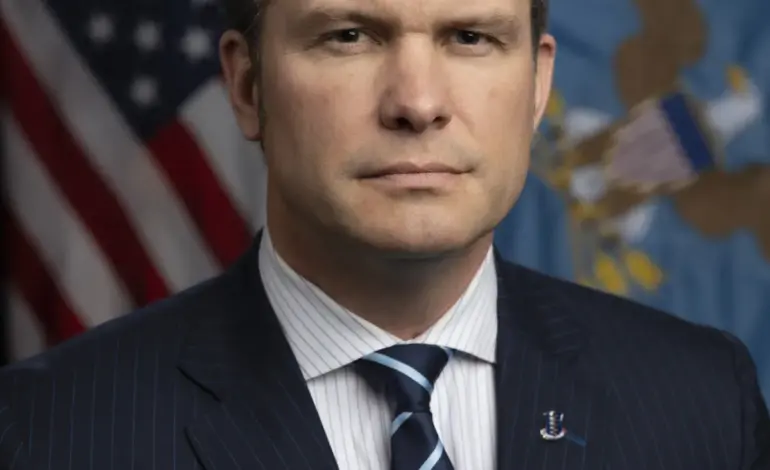
The ongoing conflict with Iran has taken a dramatic turn, with Pete Hegseth emerging as a pivotal figure in the U.S. military’s approach to the situation. Following the onset of the Iran war in late February 2026, President Donald Trump publicly credited Hegseth with being the first to advocate for military action against Iran, stating, “Pete, I think you were the first one to speak up and you said, ‘Let’s do it because you can’t let them have a nuclear weapon.'” This endorsement highlights the weight of Hegseth’s influence within the administration.
Trump’s remarks come amid a backdrop of escalating tensions, as Iran has been labeled a “purveyor of terror” for 47 years. The conflict has already claimed the lives of 13 American service members, underscoring the stakes involved. In response to the situation, Trump has extended the deadline for Iran to meet U.S. demands by five days, indicating a complex negotiation landscape.
Despite Trump’s claims of productive conversations with Iran, the Iranian government has categorically denied any negotiations, dismissing the assertions as “fake news.” This denial raises questions about the credibility of the U.S. administration’s narrative and the actual state of diplomatic efforts.
Hegseth’s role has not only been vocal but also operational, as he has taken a visible position within the Pentagon regarding the war effort. He stated, “We wouldn’t want to set a definitive timeframe,” suggesting a strategic ambiguity in U.S. military objectives.
The situation is further complicated by the resignation of Joe Kent, the first senior official to step down over the conflict, indicating potential fractures within the administration regarding the approach to Iran. Trump has suggested that various figures within his administration are pushing for military action, reflecting a lack of consensus on the rationale behind the war.
As the conflict unfolds, the reasons for U.S. military action remain unclear and vary among officials. The evolving narrative surrounding the Iran war and the roles of key figures like Hegseth and Trump will likely continue to shape public perception and policy decisions.
Details remain unconfirmed regarding the exact status of negotiations between the U.S. and Iran, leaving many questions unanswered as the situation develops. The coming days will be critical in determining the trajectory of U.S.-Iran relations and the broader implications for Middle Eastern stability.