Pakistani: Tragic Air Strike in Kabul: A Turning Point?
How it unfolded
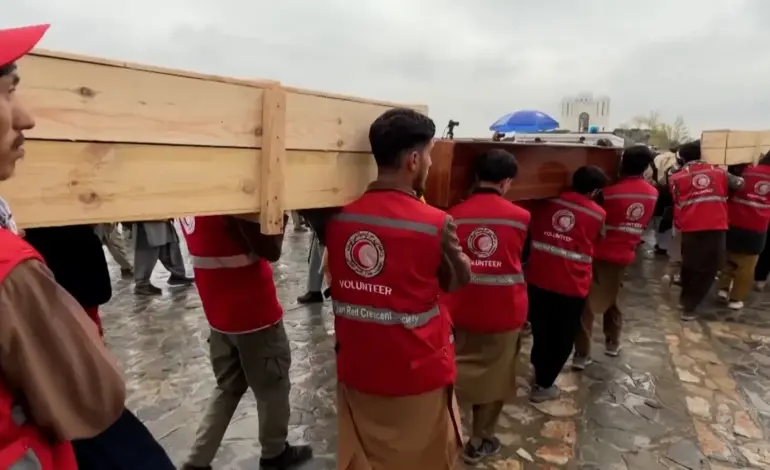
In a shocking turn of events, a Pakistani air strike on a drug rehabilitation centre in Kabul has left 143 people dead. This tragic incident, which occurred recently, has sent ripples of concern throughout the region, particularly among neighboring countries like Afghanistan, India, and Iran. The air strike not only highlights the ongoing tensions between Pakistan and Afghanistan but also raises questions about the broader implications for regional stability.
Prior to this incident, Pakistan had been navigating a complex geopolitical landscape, characterized by its strategic alliances and economic partnerships. For instance, Pakistan has maintained a long-standing relationship with Saudi Arabia, providing military support for decades. This partnership has resulted in a significant trade volume, amounting to nearly US$5 billion, which underscores the economic ties that bind these two nations.
Furthermore, Pakistan’s bilateral trade with Iran stands at roughly US$3 billion, reflecting another layer of its intricate relationships in the region. Notably, Pakistan’s Shia population, which constitutes about 20 percent of the country, plays a crucial role in its interactions with Iran, a predominantly Shia nation. This demographic factor adds a religious dimension to the political and economic ties between the two countries.
In recent months, Pakistan has also been involved in negotiations with Iran to ensure safe passage for fuel shipments through the strategically important Strait of Hormuz. This move is indicative of Pakistan’s efforts to secure its energy needs while maintaining stability in its relations with Iran. However, the recent air strike in Kabul has overshadowed these diplomatic efforts, raising concerns about the potential fallout.
On a different front, tensions between Pakistan and India have also been escalating. A civilian employee at an Indian Air Force station was arrested for allegedly spying for Pakistani handlers, which has further strained relations between the two nuclear-armed neighbors. The accused had reportedly been in contact with Pakistani intelligence operatives since 2023, highlighting the ongoing espionage activities that complicate the already fraught relationship between Pakistan and India.
As the dust settles from the air strike, the current state of affairs in the region remains precarious. The loss of life in Kabul has sparked outrage and condemnation, not only from the Afghan government but also from international observers. The incident serves as a stark reminder of the volatility that characterizes the region and the potential for further escalation if diplomatic efforts are not prioritized.
This sequence of events matters significantly for those involved. For Pakistan, the air strike could lead to increased scrutiny from the international community and may jeopardize its relationships with neighboring countries. Afghanistan, already grappling with its internal challenges, faces the additional burden of addressing the fallout from this attack. Meanwhile, India may leverage this incident to bolster its narrative against Pakistan, further complicating the geopolitical landscape.
In summary, the tragic air strike in Kabul represents a critical juncture for Pakistan and its neighbors. As tensions rise and the implications of this event unfold, the need for dialogue and diplomatic engagement becomes increasingly urgent. The region stands at a crossroads, and the choices made in the coming days will have lasting consequences for all involved.