Climate Change: A Catalyst for Catastrophe
Key moments
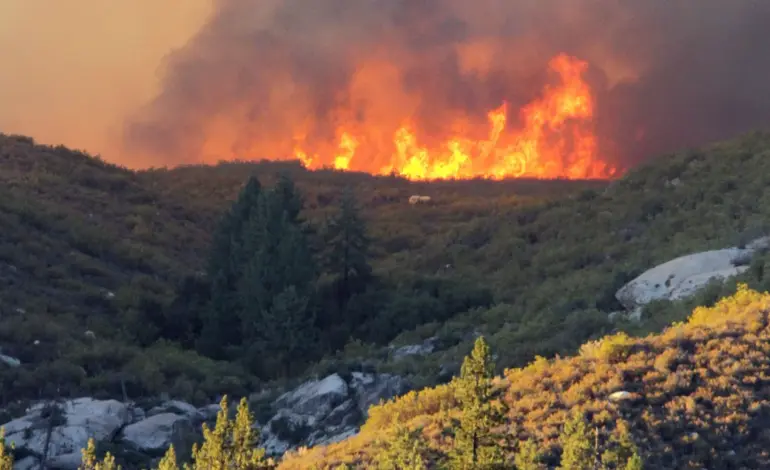
Recent findings underscore the alarming reality that climate change is not a distant threat but a current catalyst for extreme weather events. A comprehensive analysis indicates that human-caused climate change has at least doubled the risk of extreme heatwaves, as evidenced by the devastating European heatwave in 2003, which resulted in approximately 70,000 fatalities. This stark statistic serves as a grim reminder of the potential human cost of climate inaction.
Further research highlights that 74% of extreme weather events studied have been made more likely or severe due to climate change. This includes a wide array of phenomena, from hurricanes to droughts, all of which are increasingly influenced by rising global temperatures. The Carbon Brief’s extensive mapping of 600 studies on climate change and extreme weather reveals that a staggering 85% of the extreme weather events analyzed were affected by human activities.
In a broader context, the Earth’s energy imbalance has reached unprecedented levels, with the global near-surface temperature in 2025 recorded at 1.43 ± 0.13 °C above the pre-industrial average. This increase is not merely a statistic; it reflects a significant shift in our planet’s climate system. Ocean heat content has also surged to its highest level since records began in 1960, further exacerbating the situation.
The implications of these changes are dire. For instance, the annual average Arctic sea-ice extent for 2025 was the lowest or second lowest on record since 1979, indicating a rapid decline in one of the planet’s critical climate regulators. As Celeste Saulo aptly noted, “Human activities are increasingly disrupting the natural equilibrium and we will live with these consequences for hundreds and thousands of years.” This disruption is not only environmental but also profoundly impacts human health.
In 2023, Peru experienced a dengue outbreak that serves as a stark example of climate change’s impact on public health. An estimated 60% of the cases during this outbreak were linked to extreme rainfall caused by Cyclone Yaku, resulting in over 22,000 infections and 381 related deaths by July. Prof Erin Mordecai remarked, “This is the first time scientists have been able to pinpoint the role of climate change and precisely measure the impact of a particular storm on dengue,” highlighting the critical intersection of climate and health.
As the world grapples with these challenges, the urgency for action is palpable. Mr. Guterres has warned that “climate chaos is accelerating and delay is deadly,” emphasizing the need for immediate and robust measures to mitigate the effects of climate change. The data is clear: the longer we wait, the more severe the consequences will be.
In summary, the evidence linking climate change to extreme weather events and public health crises is compelling. The statistics and expert opinions paint a picture of a planet in distress, where human activities are not just altering the climate but are also endangering lives. As we move forward, the call for decisive action against climate change becomes not just a matter of environmental stewardship but a crucial public health imperative.