North Korea Elections: A 99.93% Victory for Kim Jong Un
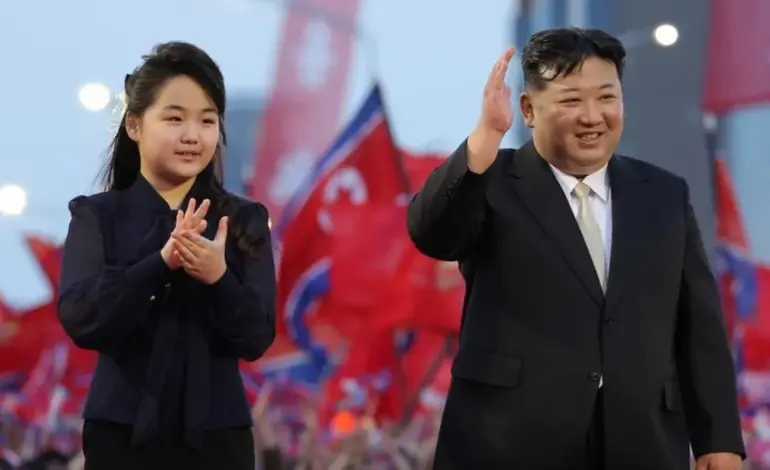
How it unfolded
As North Korea approached its parliamentary elections on March 15, 2026, the atmosphere was charged with anticipation, albeit under the familiar shadow of the regime’s tight control. The elections, held every five years, are largely viewed as a formality, with candidates pre-selected by the ruling Workers’ Party of Korea, leaving voters with little choice. However, this year’s elections would reveal a notable shift in the political landscape, as the regime acknowledged dissenting votes for the first time since 1957.
On the day of the elections, the Supreme People’s Assembly, which consists of 687 representatives, was the focal point of the event. Voter turnout was reported at an astonishing 99.99%, a figure that reflects the regime’s ability to mobilize its citizens, but also raises questions about the authenticity of such participation. In a country where dissent is often met with severe repercussions, the overwhelming turnout is not entirely surprising.
Kim Jong Un, who has been in power since 2011 following the death of his father, Kim Jong Il, scored an impressive 99.93% of the votes. This figure, while indicative of the regime’s control over the electoral process, also highlights the limited options available to voters, who are essentially presented with a binary choice. The fact that only 0.07% of voters rejected the official candidates is a stark reminder of the political environment in which these elections occur.
Interestingly, the acknowledgment of dissenting votes marks a significant moment in North Korean electoral history. While the percentage of voters who rejected the candidates is minuscule, it is a departure from the norm and suggests a potential shift in the regime’s approach to governance. The 0.0037% of registered voters who were unable to vote due to being abroad or at sea, alongside the 0.00003% who abstained, further illustrates the tightly controlled nature of the electoral process.
The implications of these elections extend beyond mere statistics. For Kim Jong Un and the Workers’ Party of Korea, the overwhelming support serves to legitimize their rule both domestically and internationally. The results can be interpreted as a reaffirmation of the regime’s authority, even in the face of growing global scrutiny and economic challenges.
As North Korea continues to navigate its complex political landscape, the 2026 elections may signal a new chapter in its governance. The acknowledgment of dissenting votes, however minimal, could indicate a willingness to adapt to changing circumstances, albeit within the confines of the regime’s overarching control.
Currently, the international community watches closely, analyzing the implications of these elections for regional stability and diplomatic relations. The results, while expected, may also serve as a catalyst for discussions on human rights and governance in North Korea. As the dust settles on this electoral event, the world is left to ponder the true meaning behind the numbers and the future of a nation that remains enigmatic on the global stage.