Ashok Kharat: The Numerologist at the Center of a Scandal
The wider picture
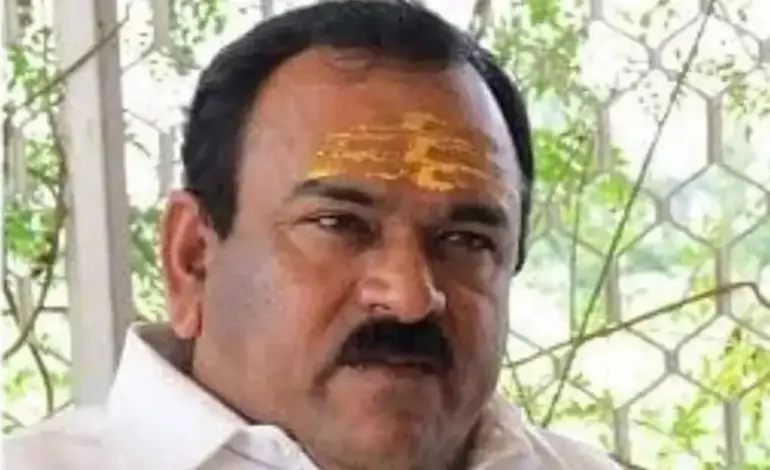
The recent arrest of Ashok Kharat, a self-styled numerologist and godman, has sent shockwaves through Maharashtra. Kharat, who gained prominence after transitioning from a career in the Merchant Navy to becoming a spiritual guide, has been accused of serious crimes including serial sexual exploitation, drugging, and practicing black magic. The allegations against him have emerged from a police complaint filed by a 35-year-old woman, detailing a pattern of abuse that reportedly began in November 2022 and continued until 2025.
Kharat’s modus operandi allegedly involved using intoxicants mixed in food and water to incapacitate women before assaulting them. This disturbing revelation has led to his booking under the Bharatiya Nyaya Sanhita (BNS) for rape, criminal intimidation, and sexual harassment. Additionally, he faces charges under the Maharashtra Human Sacrifice and Other Inhuman, Evil and Aghori Practices and Black Magic Act, 2013, highlighting the gravity of the situation.
The investigation into Kharat’s activities has intensified, with the Maharashtra government forming a Special Investigation Team (SIT) to delve deeper into the allegations. This decision underscores the seriousness with which authorities are treating the case, particularly given Kharat’s connections with various political figures and celebrities. His influence peaked when then-Chief Minister Eknath Shinde was photographed visiting Kharat’s temple, raising questions about political patronage and complicity.
In a raid on Kharat’s office, law enforcement officials seized a pen drive containing 58 obscene video clips, further substantiating the claims against him. The political ramifications of Kharat’s arrest are significant, as it has sparked a controversy involving several prominent leaders. Sanjay Raut, a notable political figure, remarked, “Maharashtra’s Epstein file has been opened,” indicating the potential for widespread implications within the state’s political landscape.
Initial reactions from political leaders have varied. While some, like Rupali Chakankar, have distanced themselves from Kharat, stating, “I have no knowledge about Kharat’s personal life or the allegations made against him,” others, such as Yogesh Kadam, have assured the public that the investigation will be impartial and that anyone found involved will face action. This mixed response highlights the delicate balance politicians must maintain in light of such serious allegations.
As Kharat remains in police custody until March 24, 2026, observers are keenly watching how this case unfolds. The implications for those connected to him, particularly within the political sphere, could be profound. With the SIT now actively investigating, the potential for uncovering further misconduct or complicity among public figures looms large.
Details remain unconfirmed regarding the extent of Kharat’s connections with political leaders and the potential fallout from this scandal. However, the case has already ignited discussions about accountability and the intersection of spirituality and politics in Maharashtra. As the investigation progresses, it will be crucial to see how the authorities navigate the complexities of this high-profile case, which has the potential to reshape public perceptions of both the spiritual and political realms in the state.