Dawood’s Properties Auctioned: A Turning Point in the Fight Against Criminal Networks
Reaction from the field
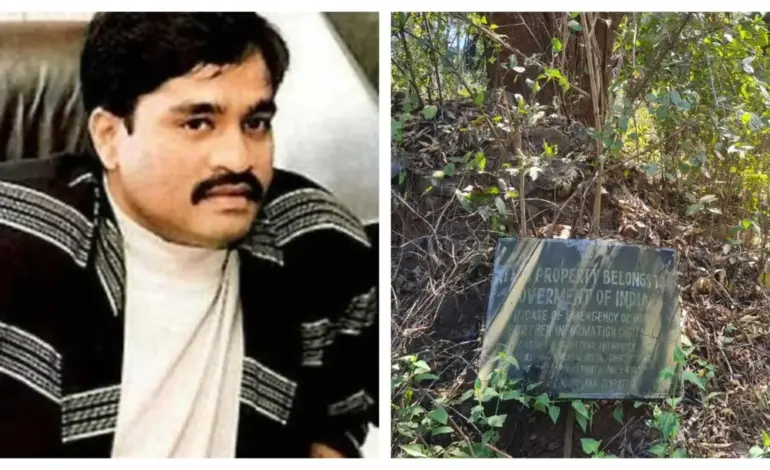
The recent auction of properties linked to notorious gangster Dawood Ibrahim in Ratnagiri, Maharashtra, marks a significant step in the Indian government’s ongoing efforts to dismantle criminal networks associated with terrorism. On March 5, 2026, four agricultural plots registered in the name of Ibrahim’s mother, Amina Bi, were successfully auctioned after several failed attempts. This event not only highlights the government’s commitment to addressing the financial underpinnings of organized crime but also raises questions about the future of Ibrahim’s extensive criminal empire.
The auction was conducted under the Smugglers and Foreign Exchange Manipulators (Forfeiture of Property) Act (SAFEMA), which allows the government to seize properties linked to criminal activities. The reserve price for one of the plots was set at 9 lakh, and it ultimately sold for 10 lakh, indicating a growing interest in properties previously considered toxic due to their association with Ibrahim. Two buyers emerged from the auction, with one securing a single plot and the other acquiring three plots, although their identities have not yet been disclosed.
The significance of this auction extends beyond mere property sales. It is viewed as a crucial step in the government’s broader strategy to liquidate assets tied to criminal networks. As India’s ambassador to the United Nations noted, “Dawood Ibrahim’s D-Company started out as a gold smuggling and counterfeit currency racket, but transformed into a terrorist entity when it orchestrated the 1993 Mumbai serial blasts that killed more than 250 people.” This transformation underscores the deep-rooted connections between organized crime and terrorism in India.
Despite the successful auction, uncertainties remain regarding Ibrahim’s current status. He has been listed as a Specially Designated Global Terrorist by the US since 2003 and is believed to be operating a narco-terror empire while residing in Karachi, Pakistan. The United Nations Security Council has multiple addresses for him in Karachi, further complicating efforts to apprehend him. Moreover, reports of his death have circulated over the years, yet none have been officially confirmed, leaving many questions unanswered.
The recent release of the film “Dhurandhar 2,” in which Ibrahim is implied to be the character ‘Bade Sahab,’ has revived public interest in his story and the ongoing mystery surrounding his life. This film, directed by Aditya Dhar, serves as a reminder of the cultural impact of Ibrahim’s legacy and the persistent fascination with his criminal exploits.
As the auction results unfold, the implications for Ibrahim’s criminal network could be profound. The successful sale of his properties may signal a shift in the government’s approach to tackling organized crime, potentially leading to further asset seizures and legal actions against those associated with Ibrahim. However, the identities of the buyers remain undisclosed, and the status of Ibrahim’s health and whereabouts continues to be a matter of speculation.
Details remain unconfirmed regarding the buyers and Ibrahim’s current situation, but the auction represents a pivotal moment in the fight against criminal enterprises in India. The government’s determination to dismantle these networks could pave the way for more aggressive actions in the future, as it seeks to eliminate the financial bases that support terrorism and organized crime.