Unraveling the Life of El Chapo: A Drug Lord’s Legacy
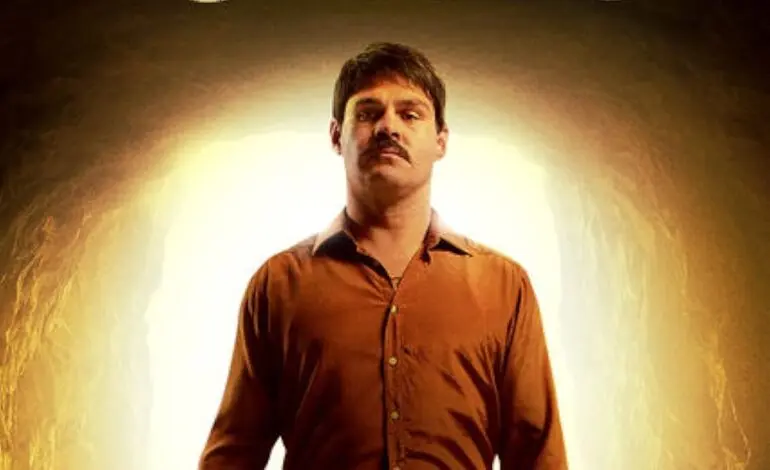
Introduction
Joaquín “El Chapo” Guzmán is a name that evokes both fear and fascination. Known as one of the most powerful drug lords in history, he led the Sinaloa Cartel, which held significant sway over drug trafficking between Mexico and the United States. His story is an essential part of understanding the broader issues of drug-related violence and trafficking in North America.
The Rise of El Chapo
Born in 1957 in a poor farming community in Sinaloa, Mexico, Guzmán’s ascent to power began during his teenage years when he became involved in drug trafficking. By the 1980s, he was working for the infamous Guadalajara Cartel. After his imprisonment and subsequent escape, he took control of the Sinaloa Cartel in the late 1990s. Under his leadership, the cartel became one of the most dominant drug trafficking organizations in the world, responsible for smuggling vast quantities of cocaine, heroin, and marijuana into the United States.
Combatting El Chapo
El Chapo’s reign was marked by unprecedented violence, with thousands killed in clashes between rival gangs and law enforcement. Despite multiple arrests, Guzmán managed to escape from Mexican prisons, notably in 2015 when he fled through a sophisticated tunnel. However, his luck ran out in 2016, when he was recaptured by Mexican authorities. Following a high-profile trial in 2018 in Brooklyn, New York, he was sentenced to life in prison plus 30 years, along with a $12.6 billion forfeiture order.
The Impact of El Chapo’s Legacy
The legacy of El Chapo extends beyond his criminal undertakings. His operations have significantly influenced U.S. drug policy and law enforcement tactics. The violence associated with his cartel and others has led to increased militarization of police forces in Mexico and has strained relations between the U.S. and Mexico. Moreover, Guzmán’s story has permeated popular culture, reflected in documentaries, films, and series that both glamorize and critically examine the drug trade.
Conclusion
El Chapo remains a poignant symbol of the ongoing battle against drug trafficking and organized crime. While he is currently serving a life sentence, the challenges he personified persist, underscoring the complex and often dangerous interplay between demand for drugs, crime, and legislation. As countries continue to grapple with the implications of drug trafficking, the narrative of El Chapo is one that provides critical lessons about the consequences of unchecked ambition and the resilience of the institutions fighting against such powerful forces.