Vietnam: Culture, Economy, and Tourism Growth in 2023
Introduction
Vietnam has emerged as a prominent nation in Southeast Asia, known for its rich history, diverse culture, and rapid economic growth. The country’s significance has grown in recent years, particularly as a destination for tourism and investment. Understanding Vietnam’s current landscape provides insight into its potential for future development and global engagement.
Cultural Significance
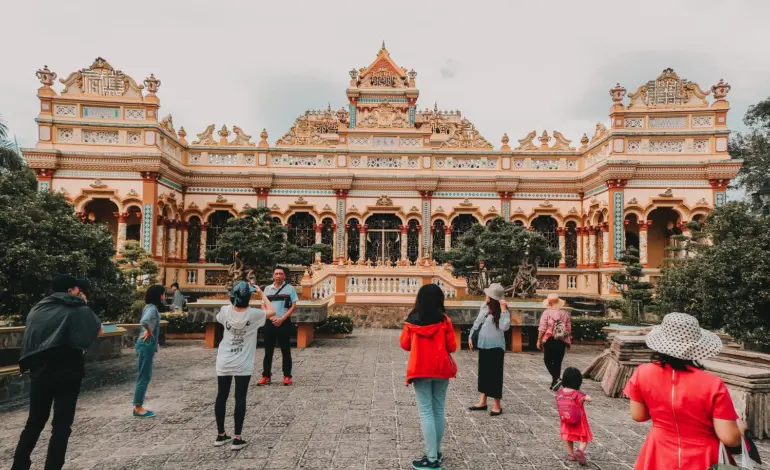
Vietnam boasts a history that dates back thousands of years, marked by a unique blend of indigenous traditions and influences from China, France, and the United States. Today, more than 54 ethnic groups coexist in the nation, making it a melting pot of languages, religions, and customs, which are evident in its festivals, cuisine, and daily life. UNESCO has recognized several Vietnamese cultural sites, such as the ancient town of Hoi An and the temple complex of My Son, underlining its rich heritage. As the world recovers from the pandemic, Vietnam’s cultural allure is expected to attract even more global tourists.
Economic Growth
Economically, Vietnam has been classified as one of the fastest-growing economies in the Asia-Pacific region. In recent years, the country has successfully navigated economic reforms, transforming from an agriculture-based economy to a robust manufacturing hub. According to the World Bank, Vietnam’s GDP growth rate was approximately 8% in 2022, reflecting its resilience amid global economic challenges. The government’s focus on foreign direct investment, particularly in high-tech and green technology sectors, indicates its intention to sustain this growth trajectory.
Tourism Industry Expansion
The tourism sector in Vietnam is poised for significant expansion. In 2019, Vietnam registered over 18 million international arrivals, making it one of the most visited countries in the region. However, the COVID-19 pandemic severely impacted tourism worldwide. Recent data show signs of recovery, with the Vietnamese government implementing initiatives to promote domestic travel and international tourism. As travel restrictions ease, Vietnam anticipates a resurgence in visitors, particularly to its iconic locations like Halong Bay, Hanoi, and the Mekong Delta.
Conclusion
As Vietnam continues to grow in importance in Southeast Asia, it stands out for its blend of rich culture, economic potential, and tourism opportunities. Looking forward, the country is likely to attract more global investments and visitors, contributing to its development and positioning it as a key player on the international stage. For travelers, investors, and policymakers, understanding Vietnam’s unique traits will be crucial in navigating its evolving landscape.