The Evolution and Significance of Happy Meal Toys
Introduction to Happy Meal Toys
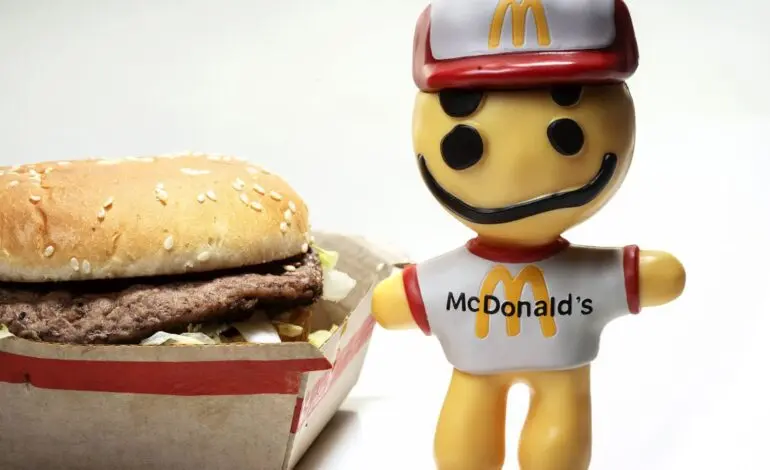
For decades, Happy Meal toys have captivated children’s imaginations and sparked nostalgia in adults. McDonald’s introduced the Happy Meal in 1979, pairing a meal with a toy, which not only transformed the fast-food experience but also became a crucial part of marketing strategies aimed at children. This innovation has had a lasting impact, reshaping dining experiences and significantly contributing to the brand’s popularity.
The Iconic Toys Through the Years
Happy Meal toys have evolved considerably since their inception. Initially, they featured simple plastic toys, often tied to popular animated characters or movies. As time progressed, McDonald’s collaborated with major studios such as Disney and Pixar, creating exclusive toys that coincide with blockbuster movie releases. For instance, the ‘Teenage Mutant Ninja Turtles’ and ‘Barbie’ collections have become highly sought after, highlighting how these toys not only serve as playthings but also as collectibles.
Recent Trends and Collaborations
In recent years, the demand for unique and themed Happy Meal toys has surged. The company has embraced collaborations with trending franchises and global celebrations, such as the partnership with famous artists and brands to release limited-edition toys. The introduction of eco-friendly toys has also gained traction, reflecting a growing concern for sustainability among consumers. Eco-friendly options, which are made from recycled materials, are designed to minimize environmental impact while delighting children.
Cultural and Economic Impact
Happy Meal toys have transcended their primary role, influencing culture and economics. Collectors often seek rare toys from past years, creating a secondary market where certain items can fetch hundreds of dollars. Additionally, the psychological marketing aspect is noteworthy; the appeal of toys enhances customer retention, with children associating McDonald’s with joyous experiences, thus encouraging families to return frequently.
Conclusion and Future Outlook
As McDonald’s continues to evolve its menu and marketing tactics, the future of Happy Meal toys likely includes more collaboration with various entertainment sectors and a stronger emphasis on sustainability. Their ability to adapt to changing consumer preferences will be crucial. For parents, Happy Meal toys remain a delightful incentive for dining out, reaffirming their role in creating lasting memories for children. Whether through nostalgic returns or innovative new ideas, Happy Meal toys are expected to maintain their relevance in an ever-changing market.