The Impact of Maglev Technology on Modern Transportation
Introduction to Maglev Technology
Maglev, short for magnetic levitation, is a cutting-edge transportation technology that uses magnetic forces to lift and propel trains. As global demand for faster, more efficient transportation solutions grows, maglev systems have gained attention for their potential to revolutionize travel by significantly reducing travel times and minimizing environmental impact.
Current Developments in Maglev Technology
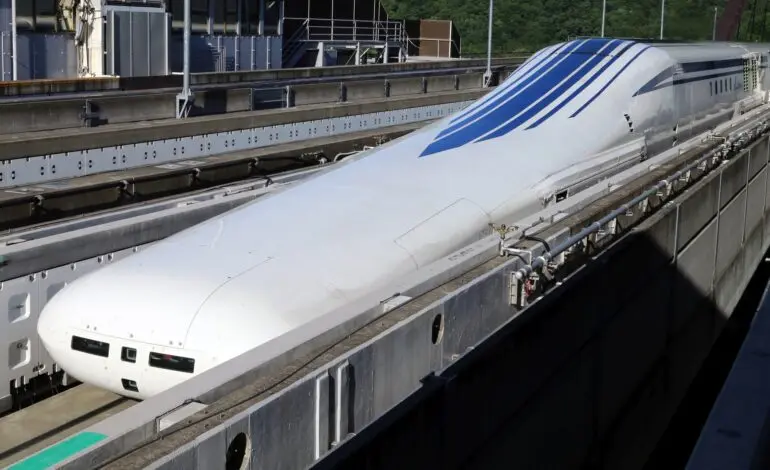
As of October 2023, several maglev projects have shown promising advances. Notably, Japan’s Chuo Shinkansen line is set to operationally connect Tokyo and Nagoya by 2027, eventually extending to Osaka. This line will feature speeds exceeding 300 miles per hour, drastically reducing travel time between these major cities.
In China, the Shanghai Maglev train has been operational since 2004, holding the title for the world’s fastest commercial train. Recent announcements indicate plans to expand maglev lines in various provinces, aiming to connect more urban areas with high-speed transit.
Environmental and Economic Benefits
Maglev technology not only promises significant speed but also offers potential environmental benefits. Trains reduce reliance on fossil fuels and produce fewer greenhouse gas emissions compared to traditional rail and air travel. By improving urban transit, maglev systems can help alleviate congestion and reduce the carbon footprint of cities.
Challenges Ahead
Despite its advantages, the deployment of maglev technology faces challenges. The high cost of construction and the need for specialized infrastructure present barriers to widespread adoption. Additionally, there is ongoing debate regarding the best integration of maglev systems with existing rail networks.
Conclusion
Maglev technology represents a significant advancement in the future of transportation, offering rapid, sustainable travel options. As developments unfold in countries such as Japan and China, the potential for maglev to reshape travel infrastructure becomes increasingly evident. Investing in maglev systems could facilitate economic growth, enhance connectivity, and contribute to a more sustainable transportation landscape. Moving forward, stakeholders must navigate the associated challenges to harness the full benefits of this transformative technology.