IMF’s Role in Ensuring Global Economic Stability in 2023

The Importance of the IMF
The International Monetary Fund (IMF) plays a crucial role in maintaining global economic stability and fostering growth among its member countries. With 190 member nations, the IMF supports countries facing economic difficulties and promotes policies that enhance international trade and monetary cooperation. As economies continue to navigate the repercussions of the COVID-19 pandemic and rising inflation, the relevance of the IMF in coordinating financial stability becomes increasingly apparent.
Current Global Economic Challenges
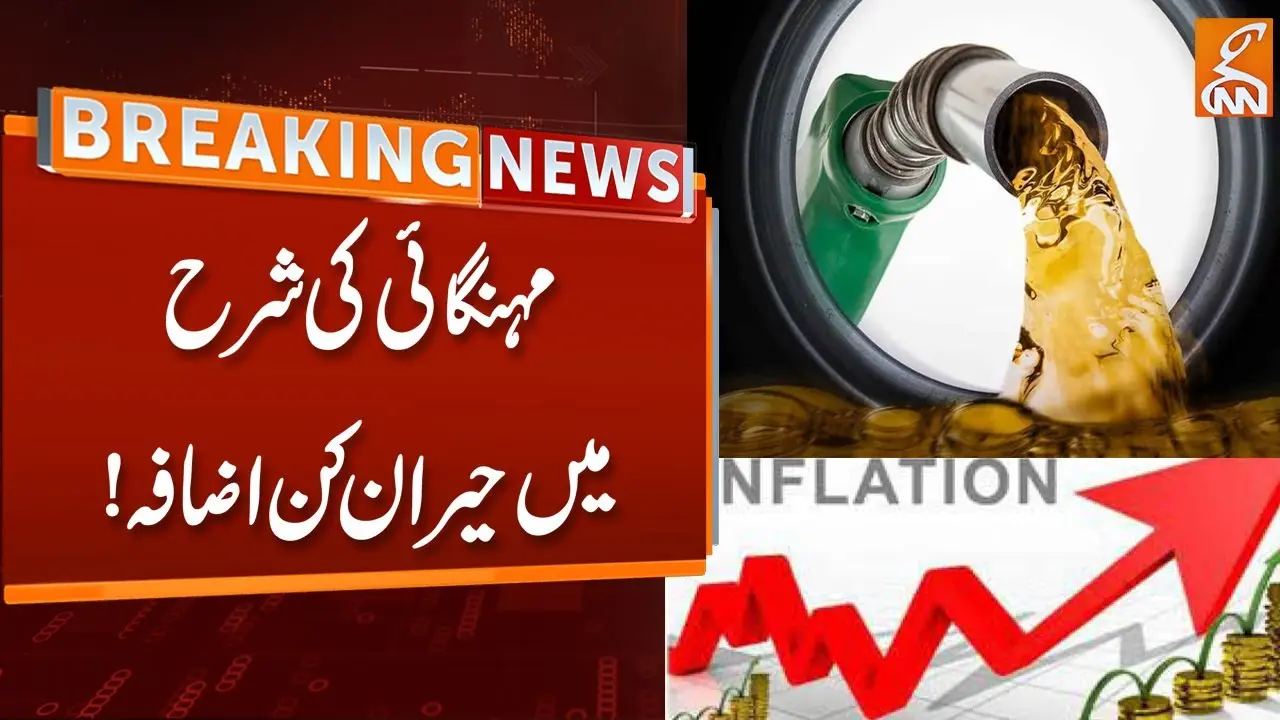
In 2023, the world economy is contending with significant challenges. High inflation rates are disrupting markets globally, prompting central banks to adjust interest rates accordingly. Emerging markets face debt crises, exacerbated by increased borrowing costs and currency fluctuations. According to the IMF’s latest World Economic Outlook, global growth is projected to slow down to 2.7% in 2023, down from 3.2% in 2022. The IMF emphasizes that its financial assistance and policy advice will be crucial in addressing these challenges.
IMF Support and Initiatives
This year, the IMF has ramped up its efforts to support its member countries. One notable initiative is the Resilience and Sustainability Trust (RST), which aims to address long-term challenges like climate change and pandemics. The IMF has also enhanced its surveillance mechanisms to provide timely insights for countries facing economic turbulence. Furthermore, the organization has called for international collaboration to ensure that recovery strategies are synchronized among nations, particularly among major economies, to prevent spillover effects that could destabilize global markets.
Conclusion and Significance for Readers
The role of the IMF in 2023 is more important than ever as nations grapple with complex economic challenges. By providing financial assistance, policy advice, and promoting international cooperation, the IMF aims to restore confidence in global financial markets and stimulate economic growth. Readers should stay informed about these developments, as they have direct implications not just for national economies, but also for individual livelihoods and investment opportunities. The future of the global economy hinges on the effectiveness of the IMF’s initiatives and the commitment of member nations to collaborative recovery efforts.