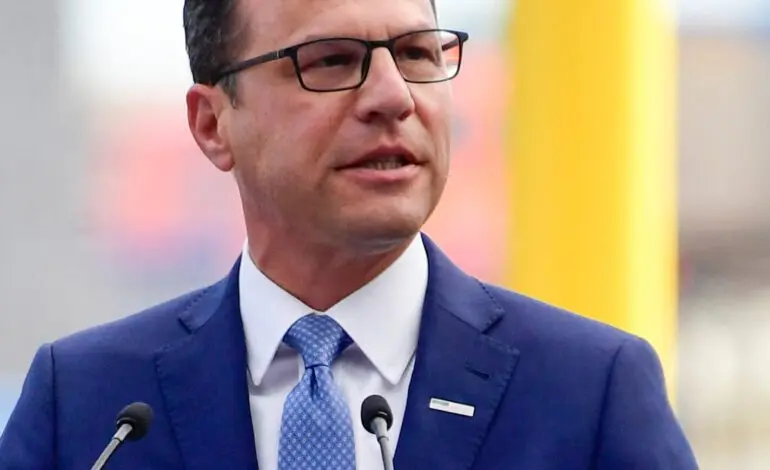
Governor Josh Shapiro: A Leader in Pennsylvania
Introduction
Josh Shapiro, the 48th Governor of Pennsylvania, has gained national attention since his inauguration in January 2023. As a former Attorney General, Shapiro is known for his advocacy on various issues including public safety, economic development, and social justice. His leadership is particularly relevant in the wake of significant national challenges ranging from political polarization to economic recovery post-pandemic.
Background
Shapiro was born in 1973 in Kansas City and raised in Montgomery County, Pennsylvania. He graduated from the University of Rochester and earned his law degree from Georgetown University. He served in the Pennsylvania House of Representatives from 2005 to 2012 before being elected as Attorney General in 2016. His tenure in this role was marked by several high-profile lawsuits against the Trump administration and advocacy for civil rights, which helped him build a strong public profile.
Key Initiatives
As Governor, Shapiro has focused on a series of initiatives aimed at enhancing public welfare and economic resilience. One of his prominent policies includes expanding access to affordable healthcare and supporting mental health services, particularly as Pennsylvania seeks to recover from the impacts of COVID-19. He has also pledged to invest in infrastructure to create jobs and bolster local economies.
Shapiro has emphasized the importance of education throughout his campaign and governorship. He has proposed significant funding increases for public schools and strategies to address disparities in education, particularly in underfunded districts. His administration aims to advocate for higher wages for educators and better resources for students.
Public Reaction and Challenges
Public reaction to Shapiro’s policies has been mixed. Supporters commend his proactive approach to community issues and his focus on inclusivity, whereas critics argue he needs to deliver faster on some campaign promises, particularly regarding economic recovery and public safety. Shapiro must also navigate the Pennsylvania General Assembly, where political dynamics can lead to challenges in passing legislation, especially on contentious issues like gun control and abortion rights.
Conclusion
Governor Josh Shapiro’s leadership reflects the complexities of modern governance in Pennsylvania. His policies could significantly shape the state’s future, especially in areas like education, healthcare, and public safety. As he continues to face challenges and political opposition, Shapiro’s responsive governance will be crucial in determining both his legacy and the socio-economic trajectory of Pennsylvania. Observers will be keen to see how effectively he can translate his ambitious agenda into tangible results for the state’s residents.