An Overview of Greg Abbott’s Leadership as Governor of Texas
Introduction
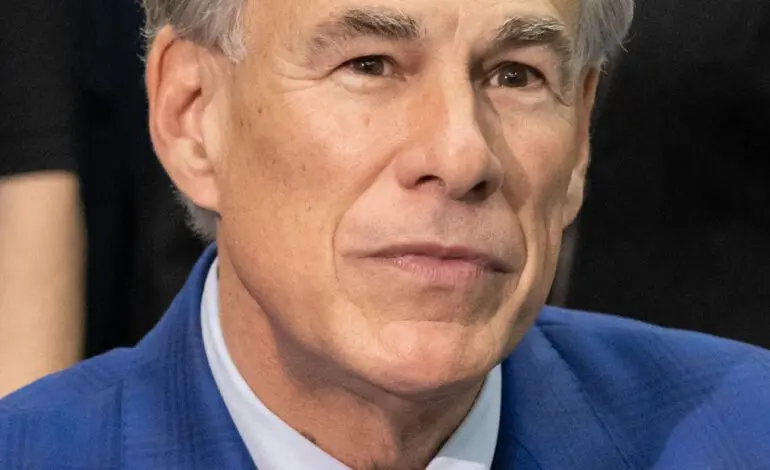
Greg Abbott, the 48th Governor of Texas, has been at the helm of one of the largest states in the USA since taking office in January 2015. His tenure has been marked by a mix of legislative challenges, significant policy changes, and responses to crises like the COVID-19 pandemic. Understanding Abbott’s leadership is crucial as it shapes not only Texas but also influences national conversations about governance, policy, and social issues.
Governor Abbott’s Policies and Actions
Governor Abbott’s administration has been characterized by a strong focus on economic growth, education reform, and public safety. He has consistently prioritized creating a business-friendly environment, resulting in Texas being a significant destination for corporations and job seekers. Under his leadership, Texas has seen a robust economy with low unemployment rates compared to national averages.
However, Abbott’s administration has not been without controversy. His stance on gun rights, particularly following mass shootings, has drawn criticism and sparked debates throughout the state. In 2021, he signed a law allowing Texans to carry handguns without a permit, which has raised concerns regarding public safety among opponents.
Challenges Faced During Tenure
Beyond economic issues, Abbott has navigated complex social challenges, including immigration and healthcare. Recently, Texas has been a focal point for the national conversation around immigration, as Abbott has taken decisive actions to address the influx of migrants at the southern border. In 2021, he initiated a state border security operation, citing a need to safeguard local communities amidst increasing numbers of migrants.
The COVID-19 pandemic posed one of the biggest challenges to his administration. Abbott initially imposed lockdown measures but faced pushback from constituents and leaders regarding restrictions. In early 2021, he lifted the statewide mask mandate and all capacity limits on businesses, leading to both support and criticism depending on the community’s perspective on health and safety.
Conclusion
Greg Abbott’s leadership in Texas is significant not only for the state but also as an example of contemporary governance amidst pressing issues like the economy, immigration, and public health. As the 2022 gubernatorial election approaches, it is expected that Abbott’s policies and responses to various challenges will be central themes in discussions and debates. His legacy will likely continue to influence Texas politics and policy long after his tenure ends, making it essential for residents and observers alike to stay informed about his governance style and decisions.