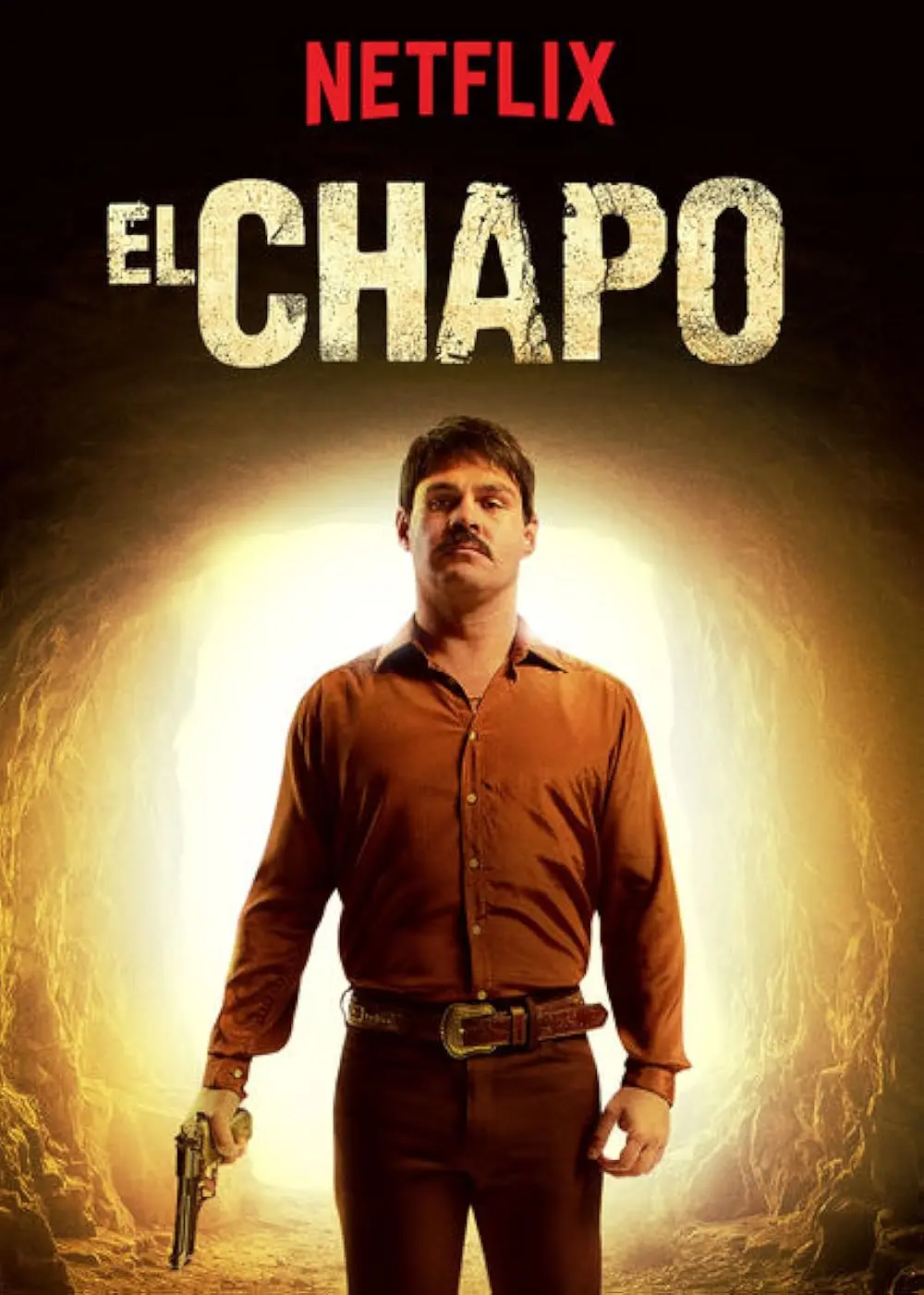
El Chapo: The Infamous Drug Lord’s Legacy and Impact
Introduction
Joaquín ‘El Chapo’ Guzmán, one of the most notorious drug lords in modern history, has had an indelible impact on the global drug trade. His rise and fall epitomize the complexities of narcotics trafficking in the 21st century, raising questions about law enforcement, national security, and public health. As discussions about drug policy and cartel violence continue to evolve, understanding El Chapo’s legacy is crucial for addressing these ongoing challenges.
The Rise of El Chapo
Born in 1957 in Sinaloa, Mexico, Guzmán started his criminal career working under Miguel Ángel Félix Gallardo, the head of the Guadalajara Cartel. By the late 1980s, he established the Sinaloa Cartel, which eventually became one of the most powerful drug trafficking organizations in the world. El Chapo was known for his innovative smuggling techniques, which included tunnels beneath the US-Mexico border and using drones for transportation.
Capture and Trials
El Chapo was first captured in 1993 but escaped from a Mexican prison in 2001. After evading authorities for over a decade, he was recaptured in 2014, only to escape again in 2015. His infamous jailbreak, which involved a mile-long tunnel, captivated the media. Guzmán was finally apprehended in January 2016 and extradited to the United States in 2017, where he faced multiple charges including drug trafficking, money laundering, and involvement in organized crime.
Sentencing and Aftermath
In July 2019, Guzmán was sentenced to life in prison plus 30 years after a high-profile trial that provided a glimpse into the operations of the Sinaloa Cartel. The trial revealed extensive details about corruption, violence, and the strategies used by cartels. His criminal enterprise continues to have ripple effects in Mexico and the United States, contributing to ongoing violence and drug abuse issues.
Conclusion
The legacy of El Chapo is a stark reminder of the persistent challenges posed by drug cartels. As law enforcement agencies grapple with the aftermath of his reign, the conversation around drug legalization and policy reform is more pertinent than ever. El Chapo’s life story serves not only as a warning of the dangers of the drug trade but also highlights the urgent need for comprehensive approaches to drug addiction, crime, and health. Understanding his impact will be essential as governments and communities work to find effective solutions for the future.