Unveiling Lithuania: History, Culture, and Natural Beauty

Introduction
Lithuania, a small but vibrant country located in the Baltic region of Europe, has increasingly become a focal point for travelers and historians alike. As it observes its 32nd year of independence from the Soviet Union, the essence of Lithuania, ranging from its historical significance to contemporary cultural renaissance, is more relevant than ever. This article explores the importance of Lithuania in today’s geopolitical landscape, its cultural richness, and its increasing tourist appeal.
A Glimpse into History
Lithuania’s history is marked by its rise and fall as a key player in European politics and culture. Once part of the Grand Duchy of Lithuania, which existed from the 13th to the 18th centuries, it thrived as one of the largest countries in Europe. The nation gained independence in 1990, bravely standing against Soviet rule. Since then, Lithuania has cultivated a democratic government and marked its place in the European Union and NATO, showcasing its growth as a stable, flourishing nation.
Cultural Significance
Today, Lithuania boasts a unique blend of cultures, traditions, and languages that reflect its rich historical tapestry. Its capital, Vilnius, is noted for its well-preserved medieval architecture and vibrant arts scene. UNESCO recognized Vilnius’ Old Town as a World Heritage Site, praised for its Baroque buildings and intricate street layouts. Festivals such as the Vilnius Festival and the International Baltic Sea Festival attract thousands, celebrating both local and international talent.
Natural Wonders
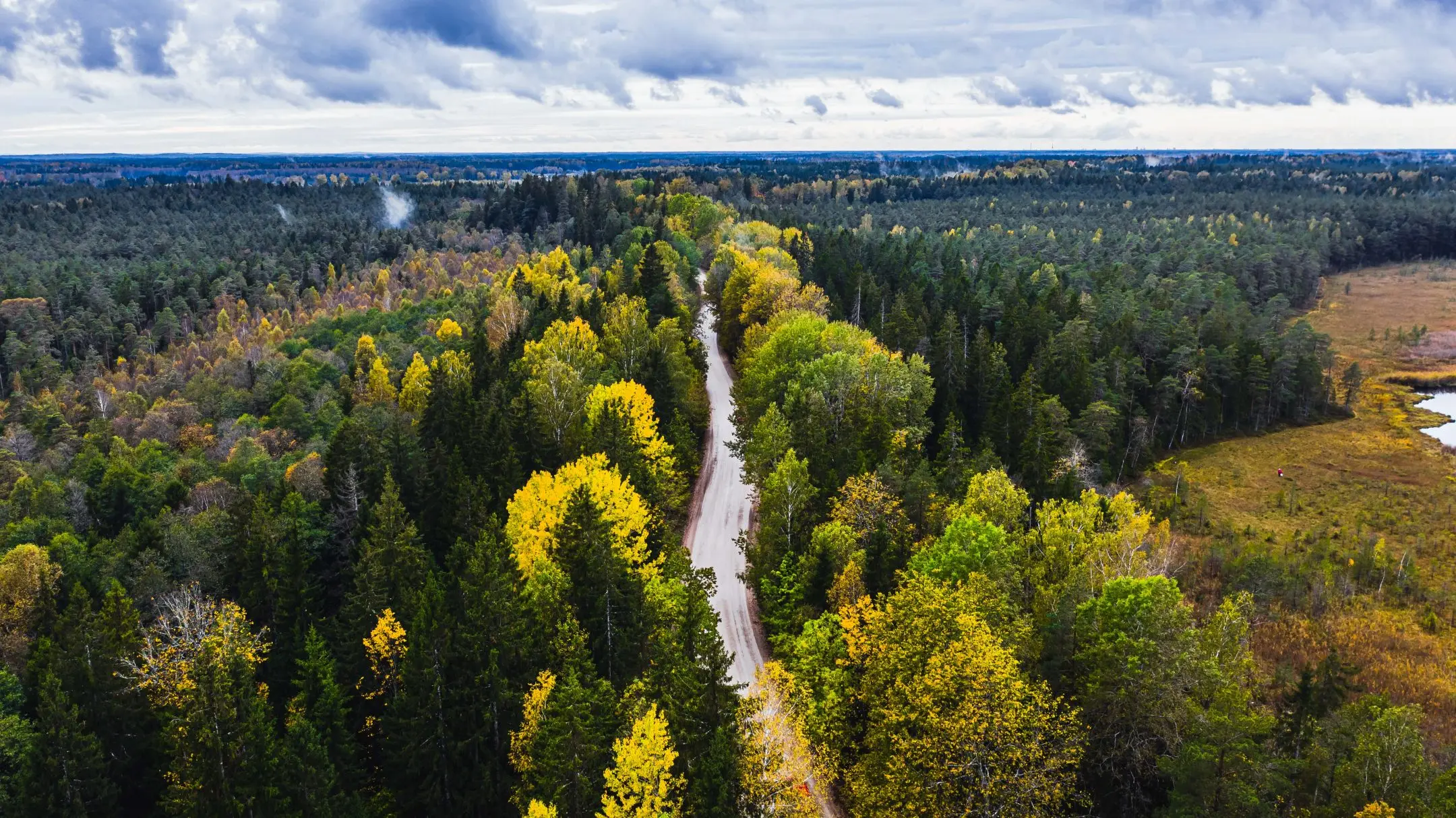
In addition to its urban attractions, Lithuania is home to breathtaking natural landscapes. The country offers diverse ecosystems, from the extensive Curonian Spit, a UNESCO World Heritage Site, to the lush forests in Dzūkija National Park. Whether it’s exploring the serene lakes or enjoying the Baltic Sea coastline, nature enthusiasts find plenty of opportunities for adventure and relaxation.
Recent Developments
In recent years, Lithuania has taken significant strides in promoting tourism and sustainable practices, especially post-COVID-19. Initiatives to enhance travel safety and attract international visitors have been implemented. The government is also emphasizing eco-tourism, capitalizing on its natural spaces, thus appealing to environmentally-conscious travelers.
Conclusion
Lithuania’s fascinating history, vibrant culture, and stunning landscapes make it an appealing destination for tourists and historians alike. As the country continues to embrace its independence and identity, it remains a beacon of resilience and growth in the Baltic region. With ongoing initiatives to promote tourism and sustainability, Lithuania is poised to capture the hearts of many more travelers worldwide. Its unique charm and beauty are a testament to its rich past and promising future.