Understanding the Importance of Oceania in Today’s World
Introduction
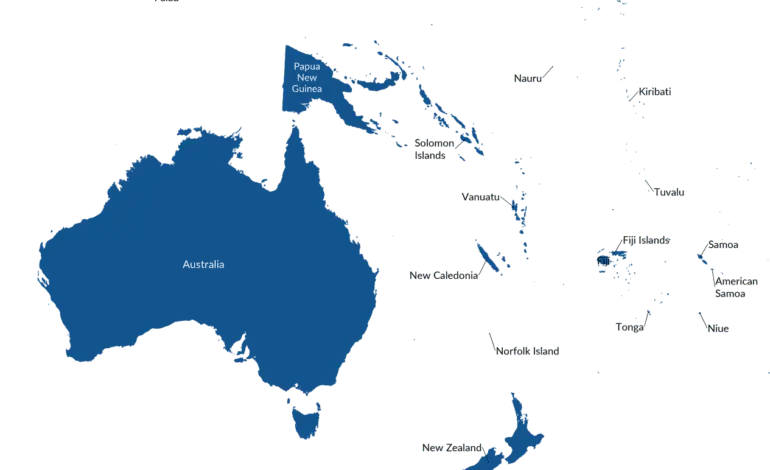
Oceania, a vast region encompassing thousands of islands scattered throughout the Pacific Ocean, holds significant cultural, geographical, and political importance. This diverse region, comprising countries like Australia, New Zealand, and numerous Pacific Islands, is not just a picturesque travel destination; it plays a critical role in global affairs, environmental conversations, and cultural exchanges.
Geography and Demographics
Oceania encompasses a variety of landscapes and climates, ranging from tropical rainforests in Papua New Guinea to the arid deserts of Australia. The region is home to over 40 million residents, with Australia and New Zealand being the most populous nations. Each island nation possesses unique cultural practices, languages, and traditions, contributing to the vibrant tapestry of Oceania. For instance, Polynesian, Melanesian, and Micronesian communities each have distinct identities and customs, creating a rich cultural heritage.
Environmental Significance
Oceania’s unique biodiversity makes it a crucial area for conservation efforts. The region is home to species found nowhere else on the planet, such as the Kiwi bird in New Zealand and numerous marine species in the Great Barrier Reef. However, climate change poses a significant threat to these ecosystems, particularly for low-lying island nations like Tuvalu and Kiribati, which are at risk of rising sea levels. Recent global conferences have highlighted the importance of Oceania’s role in discussions surrounding climate action and sustainability.
Economic Impact
Economically, Oceania plays a pivotal role in the global supply chain, particularly in agricultural exports such as beef and dairy from Australia and New Zealand’s wine and fruit products. Regional trade agreements are becoming increasingly essential as nations seek to navigate post-pandemic recovery and economic resilience. Tourism also thrives in the region, with stunning landscapes attracting millions of visitors annually, which supports local economies.
Conclusion
In conclusion, Oceania is more than just a collection of islands; it is a region rich in diversity, culture, and resources. As global challenges such as climate change intensify, the strategic importance of Oceania will only increase. Understanding its complexities and contributions is essential for fostering international collaboration and promoting sustainable development in the years to come.