Understanding the New World Screwworm: Threats and Solutions
Introduction
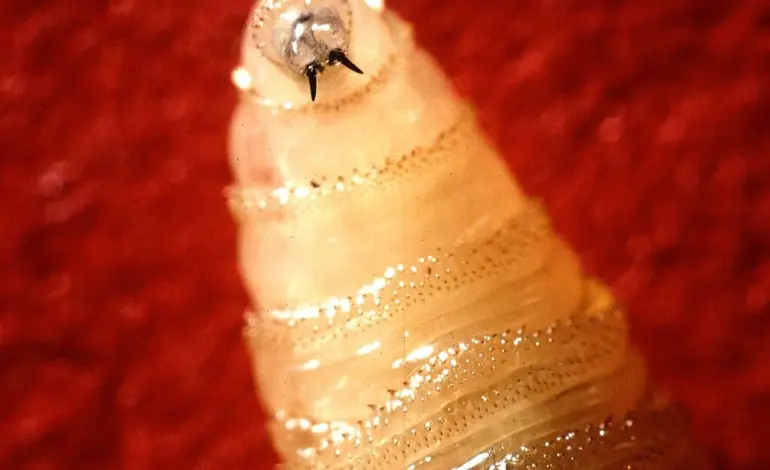
The New World screwworm (Cochliomyia hominivorax) is a parasitic fly that poses significant risks to livestock and even human health. This pest is known for its notorious ability to infest open wounds, leading to severe economic losses in the agriculture sector and posing a public health risk. Recent outbreaks in the United States have triggered alarm among farmers and agricultural officials, making it imperative to address the challenges posed by this invasive species.
Recent Outbreaks and Impacts
In the fall of 2023, the U.S. Department of Agriculture (USDA) reported an uptick in New World screwworm cases in southern regions, particularly affecting Texas and parts of Florida. The screwworm larvae feed on the living tissue of their hosts, leading to severe infections and even death when infestations go untreated. Farmers have noted increased prevalence in livestock, especially in cattle, leading to substantial economic burdens due to reduced productivity, veterinary costs, and even herd depopulation.
The USDA has found that organic and conventional cattle farms alike are at risk, prompting an urgent response. Surveillance and rapid response teams have been deployed in affected areas, and efforts are being made to educate farmers about identifying symptoms of infestations.
Management Strategies
Combating the New World screwworm requires a combination of strategies that include monitoring, treatment, and prevention. One effective method employed by professionals is the Sterile Insect Technique (SIT), which involves releasing sterilized male flies into the environment to mate with females, resulting in no offspring. This approach has shown promising results in reducing screwworm populations when consistently applied.
The USDA, alongside local agricultural departments, is also promoting hygiene practices among farmers, such as keeping wounds clean and covered, employing insect repellents, and using fly traps. Public awareness campaigns emphasize the importance of reporting any signs of screwworms to the authorities. Farmers are encouraged to regularly inspect their livestock, especially in high-risk areas.
Conclusion
The New World screwworm remains a pressing concern for livestock health and agricultural stability in the United States. By implementing rigorous monitoring and management strategies while fostering communication between farmers and public health officials, the risks associated with this pest can be mitigated. Continued vigilance and rapid response will be essential in preventing future outbreaks, helping secure the livelihoods of many farmers and protect public health.