Exploring the Legacy of Mae Jemison
Introduction
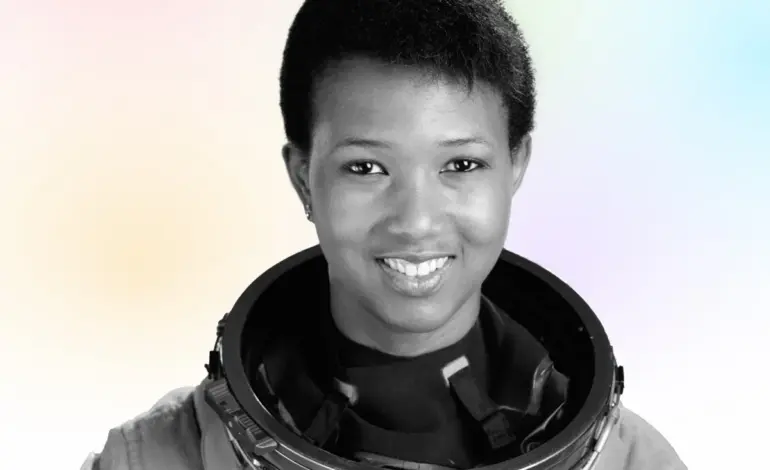
Mae Jemison, born on October 17, 1956, in Decatur, Alabama, made history as the first African American woman in space when she flew aboard the Space Shuttle Endeavour in 1992. Her remarkable journey not only broke racial and gender barriers but also inspired countless individuals to pursue careers in science and technology. As of 2023, her contributions and advocacy for diversity in STEM fields continue to resonate, making her a significant figure in both the realms of science and social justice.
The Journey to Space
Jemison earned her Bachelor of Science degree in chemical engineering from Stanford University before obtaining a Doctor of Medicine degree from Cornell University. Her passion for space and science led her to NASA, where she applied for the astronaut program. In 1992, she flew on the Endeavour mission (STS-47), dedicating her efforts to scientific research and technology demonstrations. During her eight days in space, Jemison conducted experiments on the effects of weightlessness on various biological processes.
Impact Beyond NASA
After leaving NASA in 1993, Jemison founded The Jemison Group, a technology consulting firm that focuses on the intersection of science and social consciousness. Additionally, she created the Dorothy Jemison Foundation for Excellence, which promotes science literacy and encourages young people, particularly minorities, to engage in scientific fields. Jemison has also authored several books, participated in educational initiatives, and served as a professor at Dartmouth College, sharing her experience and knowledge with students worldwide.
Legacy and Current Endeavors
Jemison’s influence extends beyond her impressive resume; she advocates for inclusivity in science and technology. She frequently speaks about the importance of diversity in STEM while encouraging young girls and underrepresented groups to pursue their interests passionately. Mae Jemison’s impact is acknowledged through various accolades, including her induction into the National Women’s Hall of Fame and multiple honorary doctorates.
Conclusion
Mae Jemison remains an inspiring figure in contemporary discussions about diversity and representation in science. Her journey—from a young girl dreaming of the stars to a space pioneer—demonstrates the possibilities of breaking barriers and pursuing one’s dreams against all odds. As society continues to emphasize the importance of diversity in STEM, Jemison’s legacy serves as a beacon of hope and encouragement for future generations of scientists, engineers, and explorers.