What You Need to Know About Freeze Watch Alerts
Introduction
As winter approaches, understanding weather alerts becomes crucial for safety, especially in regions prone to subzero temperatures. One such alert is the freeze watch, which signals that conditions are ideal for frost formation and could potentially harm plants, crops, and other sensitive items. Knowing how to respond to a freeze watch is essential for homeowners, farmers, and outdoor enthusiasts alike.
What is a Freeze Watch?
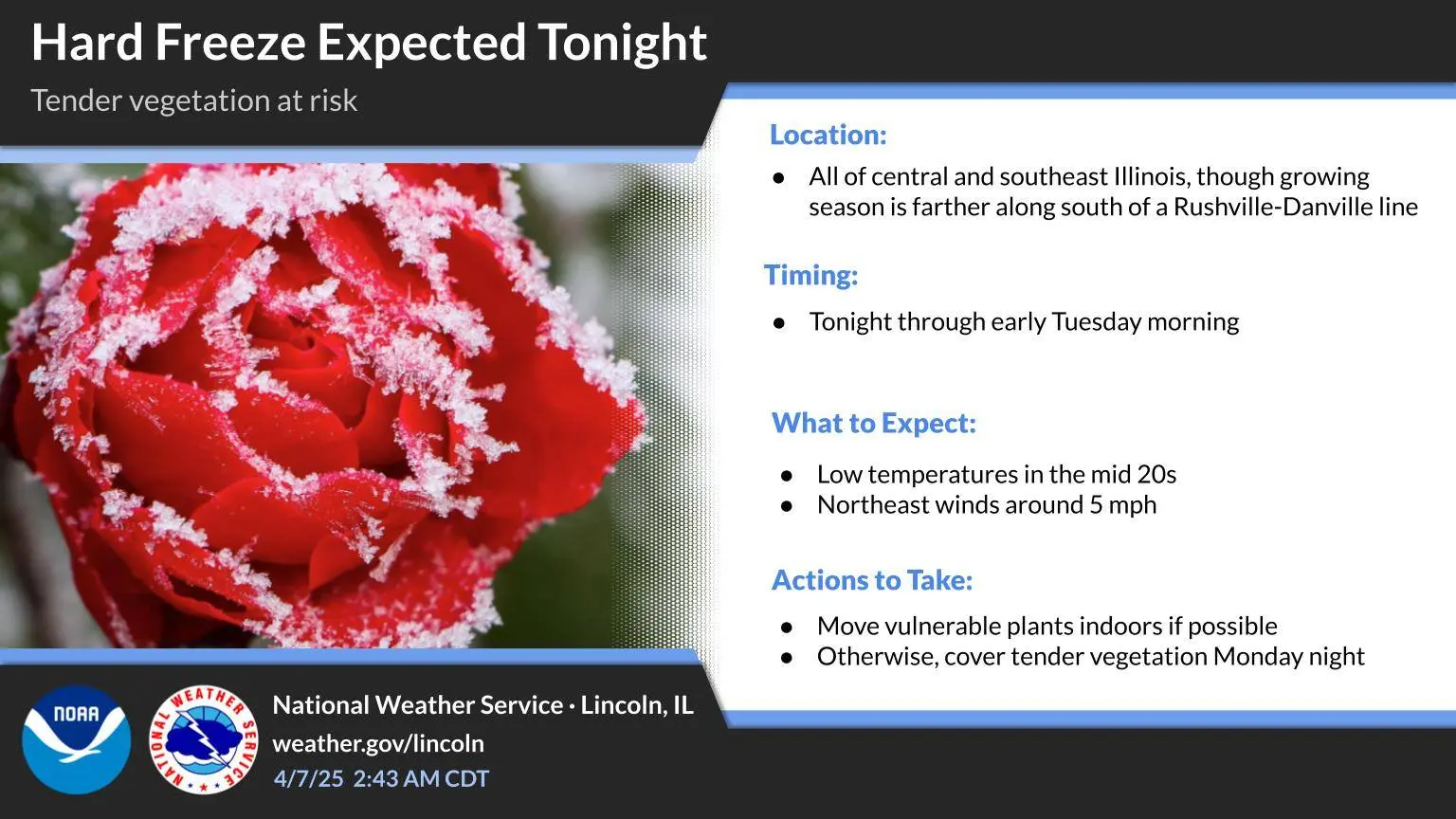
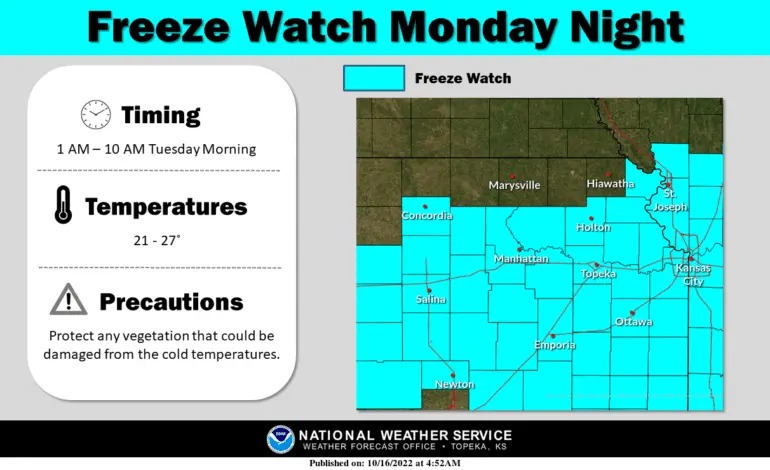
A freeze watch is issued by the National Weather Service (NWS) when there is a forecast for conditions that could lead to frost or freezing temperatures within a certain area. Typically, this alert is released 24 to 36 hours before the expected freezing temperatures and serves to inform the public about possible hazards. It is particularly relevant for gardeners who must take precautions to protect their plants and crops.
Why Freeze Watches Matter
Understanding freeze watches and their implications can help minimize damage to agriculture and local ecosystems. Freezing temperatures can have severe effects on tender vegetation, reducing crop yields and harming garden plants. Additionally, homeowners should be aware that pipes may freeze, leading to costly repairs.
Current Events
As of October 2023, several regions across the Midwest and Northeast United States are under freeze watches due to forecasted cold fronts. The NWS reports that temperatures are expected to drop into the lower 30s at night, prompting agricultural agencies to alert local farmers to prepare for potential frost. In many parts of the Midwest, this could mean significant losses for those who grow fall crops or have not yet harvested.
What to Do During a Freeze Watch
When a freeze watch is issued, it’s essential to take proactive measures. Homeowners should consider:
- Bringing in potted plants or covering them with blankets.
- Unhooking or insulating outdoor hoses to avoid frozen pipes.
- Allowing faucets to drip slightly to prevent freezing.
Farmers may need to cover crops with fabric or plastic, or use heating methods like row covers to protect sensitive plants. Monitoring weather updates will help adjust strategies as conditions change.
Conclusion
Understanding freeze watches is vital for protecting personal property and agricultural investments. As winter approaches, being prepared for sudden temperature drops can mitigate potential losses. Keeping an eye on weather alerts and forecasts will be key in ensuring safety and preserving sensitive items during this chilly season.