The Insurrection Act and Minnesota: A Critical Overview
Introduction
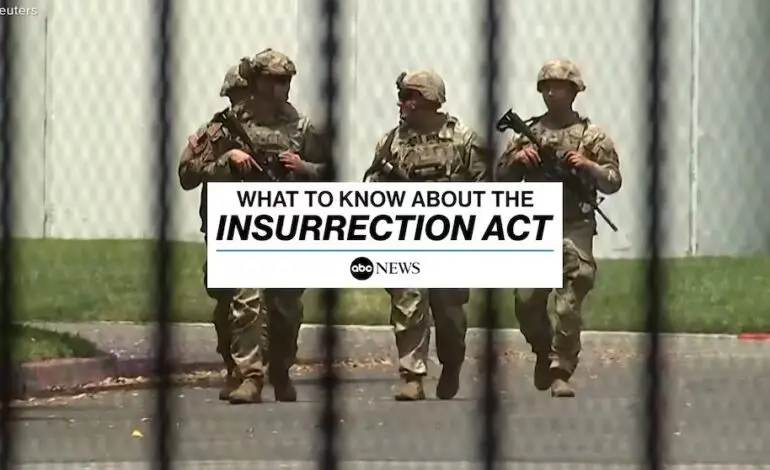
The Insurrection Act, a critical piece of legislation in U.S. history, allows the federal government to deploy military forces in response to domestic unrest. Recently, the Act has gained attention in Minnesota due to escalating tensions and protests following the death of George Floyd. Understanding this law’s implications is crucial for citizens and policymakers alike, highlighting its potential impact on civil rights and state governance.
Background of the Insurrection Act
Originally enacted in 1807, the Insurrection Act has been modified several times to reflect changing political and social climates. It empowers the President to send federal troops to suppress civil disorder, insurrection, or rebellion. While rarely invoked, its potential application raises serious questions about the balance between maintaining order and protecting civil liberties.
Recent Events in Minnesota
In response to widespread protests and civil unrest in Minnesota, particularly following high-profile verdicts and incidents relating to police violence, discussions around the Insurrection Act have resurfaced. In 2020, Minnesota saw a significant deployment of National Guard troops in response to riots stemming from the Floyd protests, and there were calls for federal intervention. This raised questions about the appropriateness of invoking the Insurrection Act as a remedy for local unrest.
Legal Concerns and Implications
The invocation of the Insurrection Act is contentious. Critics argue that deploying military forces to suppress protests can violate constitutional rights, particularly the First Amendment, which protects the right to assemble and express dissent. Supporters assert that federal intervention is sometimes necessary to restore order when local governments are unable to handle violence and chaos effectively.
Public Response and Future Considerations
The public response to the potential application of the Insurrection Act in Minnesota has been mixed. Some citizens express support for strong measures to ensure safety, while others voice concern over possible overreach and the militarization of civil disturbances. The Minnesota legislative body has discussed creating more robust community policing initiatives and addressing systemic issues within law enforcement as alternatives to military intervention.
Conclusion
The discussions surrounding the Insurrection Act and its relevance to Minnesota underscore the ongoing tensions between government authority and individual rights. As unrest continues, understanding the implications of this law becomes increasingly important for the citizens of Minnesota and the nation. The future may require a reevaluation of how such laws are applied, ensuring both public safety and the preservation of civil liberties remain paramount in governance.