Understanding Dagestan: A Hidden Treasure of Culture and Nature
Introduction
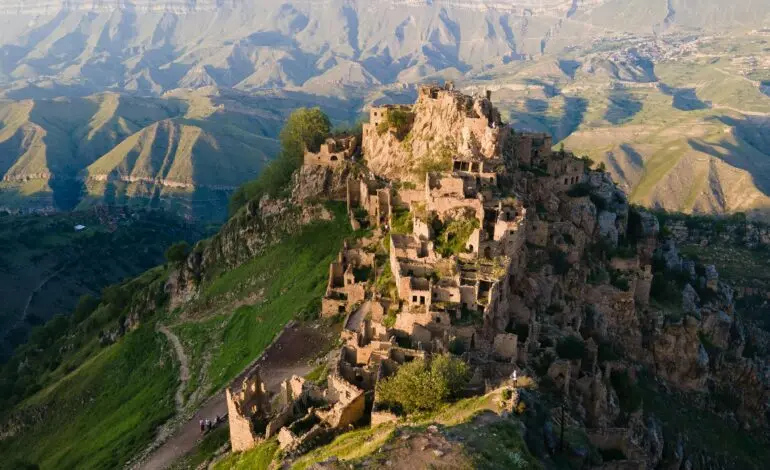
Dagestan, located in the North Caucasus region of Russia, is often overshadowed by its more famous neighbors. Known for its breathtaking landscapes, diverse cultures, and rich history, Dagestan is a place of incredible contrast. This republic plays a significant role in the geopolitical dynamics of the Caucasus and has recently gained attention due to its improving tourism sector and ongoing development efforts.
The Importance of Dagestan
With a population of over 3 million people, Dagestan is one of the most ethnically diverse regions in Russia. It is home to more than 30 ethnic groups, each with its own unique traditions, languages, and customs. This cultural diversity presents an opportunity for tourism and economic growth, as the republic seeks to promote its heritage and natural beauty both locally and internationally.
Current Events and Tourism Development
In recent years, the Dagestani government has focused on revitalizing the tourism industry. Efforts include the development of infrastructure, including hotels and transportation, to attract visitors to the region’s stunning sights, such as the Sulak Canyon, known as the deepest canyon in Europe, and the lush waters of Lake Kulikolkhe. Furthermore, Dagestan’s rich history is showcased through its ancient forts and stunning mosques, drawing in history enthusiasts and adventure travelers alike.
According to reports, tourism in Dagestan is expected to increase by 30% in the coming years, partly due to new promotional campaigns aimed at highlighting its natural beauty and cultural significance. The republic has also been featured in numerous travel blogs and vlogs, showcasing its stunning landscapes and hospitable residents.
The Challenges Ahead
Despite the promising developments, Dagestan still faces challenges, including economic instability and remaining socio-political unrest. These factors deter some tourists and investors, but local government efforts are focused on ensuring safety and promoting peace. Enhancements in public services, as well as community programs aimed at fostering understanding and cooperation among the diverse ethnic groups, are underway.
Conclusion
Dagestan is on the cusp of a potential tourism and cultural renaissance. As global curiosity about the region grows, it is crucial for Dagestan to navigate its challenges while promoting its heritage and natural wonders. The cultural richness and stunning natural landscapes set Dagestan apart as a unique destination. For travelers seeking a blend of adventure, culture, and history, Dagestan stands out as a fascinating area to explore in the coming years.