Discover Malta: History, Culture, and Attractions
Introduction
Malta, a small archipelago in the Mediterranean Sea, holds a significant place in world history and travel. Known for its stunning coastlines, rich cultural heritage, and strategic location, Malta has become a popular destination for tourists from around the world. As the nation continues to recover from the impacts of the COVID-19 pandemic, the importance of the tourism sector is more relevant than ever, contributing to the country’s economy and cultural exchange.
A Rich Historical Tapestry
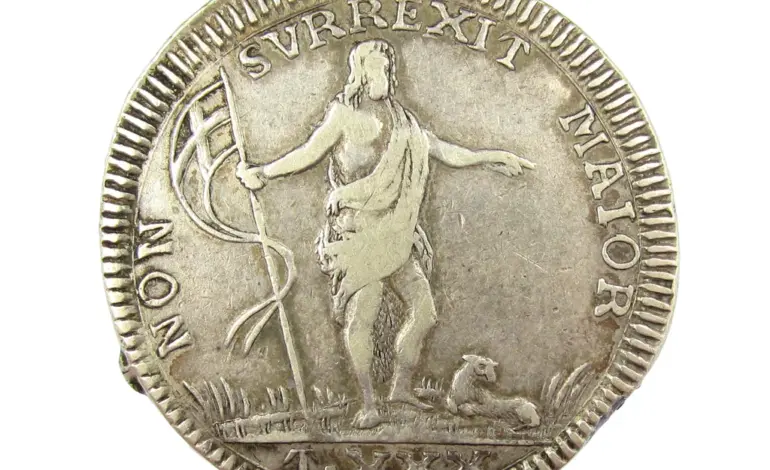
The history of Malta dates back thousands of years, with evidence of human settlement reaching as far back as 5900 BC. The island has been ruled by various civilizations, including the Phoenicians, Romans, Byzantines, and Knights of St. John. Each of these cultures has left an indelible mark on Malta’s architecture and traditions. Key historical sites include the ancient temples of Ħaġar Qim and Mnajdra, and the fortified city of Valletta, which is a UNESCO World Heritage site.
Cultural Significance
Malta’s cultural landscape is equally rich, influenced by the island’s diverse history. Traditional festivals such as the Carnival of Malta and the Feast of St. Paul’s Shipwreck showcase the vibrant local culture. Maltese cuisine is a blend of Mediterranean flavors, with dishes like rabbit stew and pastizzi being local favorites. The country is also known for its artistic contributions, especially in painting and architecture, with famous artists like Caravaggio having worked in Malta during the 17th century.
Current Events and Tourism Outlook
As of 2023, Malta’s tourism sector is witnessing a robust recovery. The Maltese government has been promoting the island as a prime destination for sun-seekers and cultural enthusiasts alike. The introduction of green initiatives, such as eco-tourism and heritage preservation, has attracted a new wave of travelers who are conscious about sustainability. Additionally, with the recent easing of travel restrictions, Malta is expected to see an influx of visitors in 2024, further stabilizing its economy.
Conclusion
In summary, Malta offers a unique mix of history, culture, and natural beauty that continues to draw visitors year after year. As the country looks to the future, it remains committed to sustainable tourism practices that honor its rich heritage while accommodating the needs of modern travelers. For those seeking an unforgettable Mediterranean experience, Malta emerges as a top contender on the travel map.