The Civil War: Its Significance and Lasting Impact
Introduction
The American Civil War, fought from 1861 to 1865, remains one of the most pivotal moments in United States history. The war not only defined the fate of the nation but also established the foundations of civil rights and Federalism as we know them today. Understanding the Civil War is crucial for grasping the complexities of modern American society, as its consequences still resonate in today’s discussions about race, equality, and governance.
Key Events Leading to the Civil War
The roots of the Civil War can be traced back to decades of conflict over slavery and states’ rights. The tense relationship between the Northern and Southern states escalated following pivotal events such as the Missouri Compromise of 1820, the Dred Scott decision of 1857, and John Brown’s raid on Harpers Ferry in 1859. Ultimately, the election of Abraham Lincoln in 1860, who ran on an anti-slavery platform, prompted Southern states to secede from the Union, forming the Confederacy.
The Major Battles and Strategies
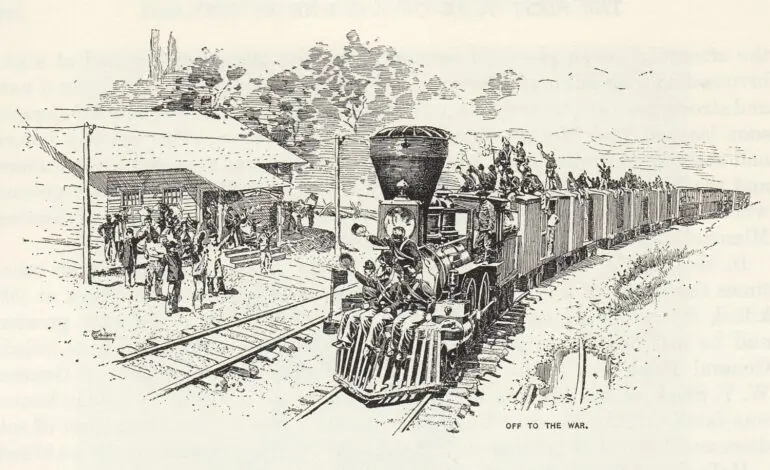
The Civil War was characterized by numerous significant battles, including the Battle of Gettysburg, the Battle of Antietam, and the Siege of Vicksburg. Each conflict demonstrated innovative military strategies, including the use of railroads for troop movements and the introduction of trench warfare. The sheer scale of the war resulted in unprecedented casualties, affecting countless families and communities across the nation.
End of the War and Its Aftermath
The Civil War concluded with the surrender of General Robert E. Lee to General Ulysses S. Grant at Appomattox Court House in April 1865. The aftermath of the war led to the Reconstruction era, where the United States grappled with reintegrating the Southern states and addressing the rights of freed slaves. The 13th, 14th, and 15th Amendments were adopted, further laying the groundwork for civil rights, although progress remained inconsistent well into the 20th century.
Conclusion
Today, the Civil War’s legacy is still evident in American culture, politics, and societal structures. As the country continues to confront issues of racial equality and the balance of power between federal and state governments, understanding the Civil War is essential. This historical event serves as a reminder of the costs of division and the ongoing struggle for justice and unity in the United States.