The KKK Act: A Historical Overview and Its Modern Relevance
Introduction
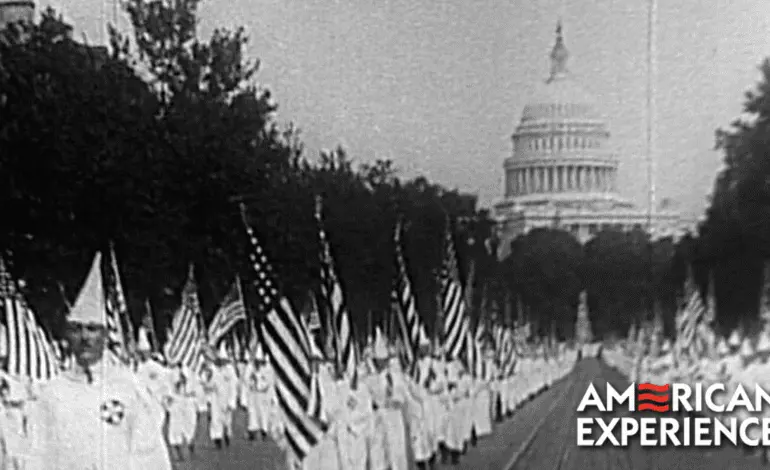
The Ku Klux Klan (KKK) Act, officially known as the Ku Klux Klan Act of 1871, is a significant piece of legislation in American history that aimed to combat racial violence and uphold civil rights during the Reconstruction era. Understanding the KKK Act is essential as it addresses issues of hate crimes, civil rights violations, and the legal means through which the government can intervene to protect citizens from such violence. Today, the relevance of the KKK Act persists in ongoing discussions surrounding race relations, hate groups, and civil liberties in the United States.
Historical Context
Following the Civil War, the United States faced widespread violence from white supremacist groups, most notably the Ku Klux Klan, which sought to undermine the legal and social advancements granted to African Americans. The KKK Act was introduced to allow the federal government to intervene in states where local authorities failed to protect citizens’ rights and to provide penalties for those participating in conspiracies to deprive individuals of their rights.
The act laid the groundwork for future civil rights legislation, highlighting the government’s role in addressing and preventing racial violence. It allowed for federal jurisdiction in cases of violence and intimidation, particularly when influenced by race, which was crucial as many Southern states resisted federal oversight.
Key Provisions of the KKK Act
The KKK Act consists of several key provisions aimed at abolishing racial terror and ensuring the protection of civil rights. Notable features include:
- Section 1: This allowed for the federal government to prosecute individuals who conspired to violate civil rights.
- Section 2: It specifically targeted individuals who used force, intimidation, or threats in action against others based on race.
- Section 3: This section empowers victims of Klan violence to seek damages in federal court, ensuring justice and compensation.
Modern Implications
In contemporary society, the KKK Act remains a relevant legal instrument in combating hate crimes and preserving civil rights. Federal law enforcement agencies continue to utilize the KKK Act as legal justification in prosecuting modern hate groups that engage in racially motivated crimes. The Act serves as a reminder of the ongoing struggle against domestic terrorism and the importance of protecting individual rights.
Conclusion
The KKK Act stands as a landmark piece of legislation in the fight against racial oppression in the United States. While it was enacted over a century ago, its principles echo through current debates on civil rights, hate crime legislation, and the responsibilities of the federal government in protecting its citizens. As the nation continues to confront the legacy of racism, the KKK Act underscores the vital importance of legal mechanisms in safeguarding democracy and ensuring justice for all individuals.