Beet Juice on Roads: The Eco-Friendly Deicing Revolution
The Importance of Sustainable Deicing Methods
As winter approaches in the United States, state and local governments begin preparing to combat icy roads and maintain safe driving conditions. Traditionally, road salt has been the primary method used for deicing, but increasing environmental consciousness and rising costs have led to the exploration of alternative solutions. One such innovative option gaining popularity is the use of beet juice.
The Benefits of Beet Juice
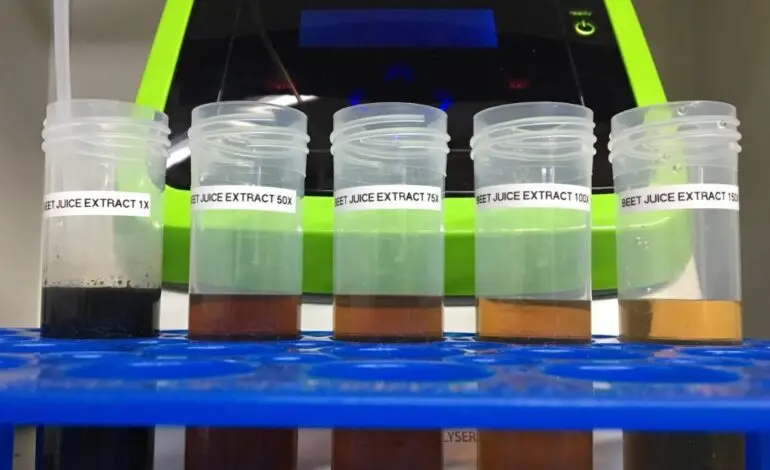
Beet juice, derived from sugar beets, is being recognized as a viable and eco-friendly alternative to traditional road deicing materials. Studies show that blending beet juice with road salt can reduce the amount of salt needed by up to 30 percent. This not only lowers the environmental impact but also enhances the effectiveness of the deicing process.
In addition to its effectiveness, beet juice has antifreezing properties that can help keep roads clear for longer. It works by lowering the freezing point of water, allowing for deicing even at lower temperatures. Many municipalities are already implementing this method during their winter maintenance operations, recognizing its environmental advantages, including reduced salinity in nearby water bodies which can harm aquatic ecosystems.
Recent Developments and Usage
Several states, including Minnesota and Michigan, have begun to integrate beet juice into their winter road treatment protocols. These states have noted a decrease in infrastructure damage and improved safety due to better-maintained road conditions during harsh winters. The Minnesota Department of Transportation has reported successful trials, claiming that not only does beet juice reduce the need for harsher chemicals, but it also helps keep roads safe and manageable during heavy snowfall.
The Future of Beet Juice in Road Safety
As governments look for more sustainable practices, the use of beet juice and other organic materials as deicing agents is likely to rise. Environmental advocates stress the importance of adopting such practices to mitigate long-term effects on soil and water quality while ensuring road safety. As research continues to explore its efficacy further, beet juice might become a staple in winter road management strategies across the U.S.
Conclusion
In conclusion, the adoption of beet juice as a deicing agent represents an important step towards sustainable road maintenance. Its effectiveness, coupled with its reduced environmental impact, makes it an attractive alternative to traditional salt-based methods. As more communities recognize its benefits, beet juice could pave the way for a greener approach to keeping our roads safe during winter.