The Rise of Wind Farms in China: A Renewable Energy Revolution
Introduction
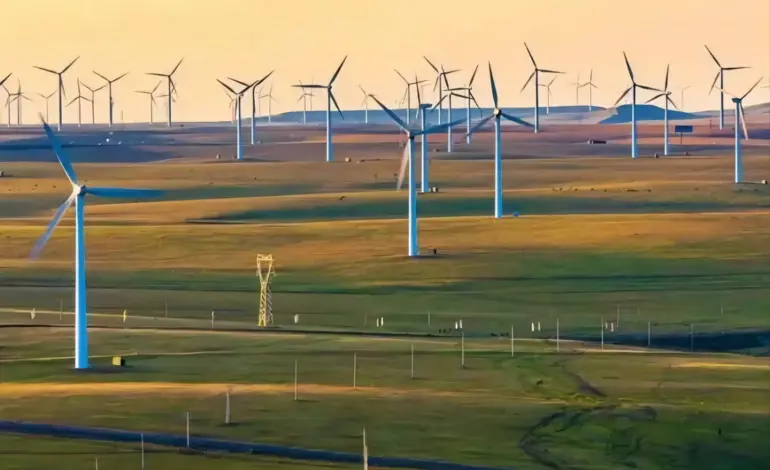
China has emerged as a global leader in renewable energy, particularly in wind power generation. With the increasing urgency to address climate change and reduce carbon emissions, the expansion of wind farms across the country has become crucial. These initiatives not only contribute to China’s energy security but also play a significant role in the global transition towards sustainable energy sources.
Current Developments in China’s Wind Power
As of 2023, China boasts the largest installed capacity of wind power in the world, accounting for over 30% of global wind energy utilization. According to the National Energy Administration (NEA), China’s wind power generation capacity reached approximately 300 gigawatts (GW) in 2022, with growth projected to continue in the coming years. Major provinces like Inner Mongolia, Xinjiang, and Gansu are at the forefront of wind farm development, leveraging the country’s vast land and favorable wind conditions.
In recent months, investments in offshore wind farms have surged as China aims to tap into the vast energy potential of its coastal regions. The country has set ambitious targets, planning to achieve 400 GW of offshore wind capacity by 2030. Key projects include the Yangjiang and Hainan offshore wind farms, expected to contribute significantly to the national grid.
Environmental Impact and Economic Benefits
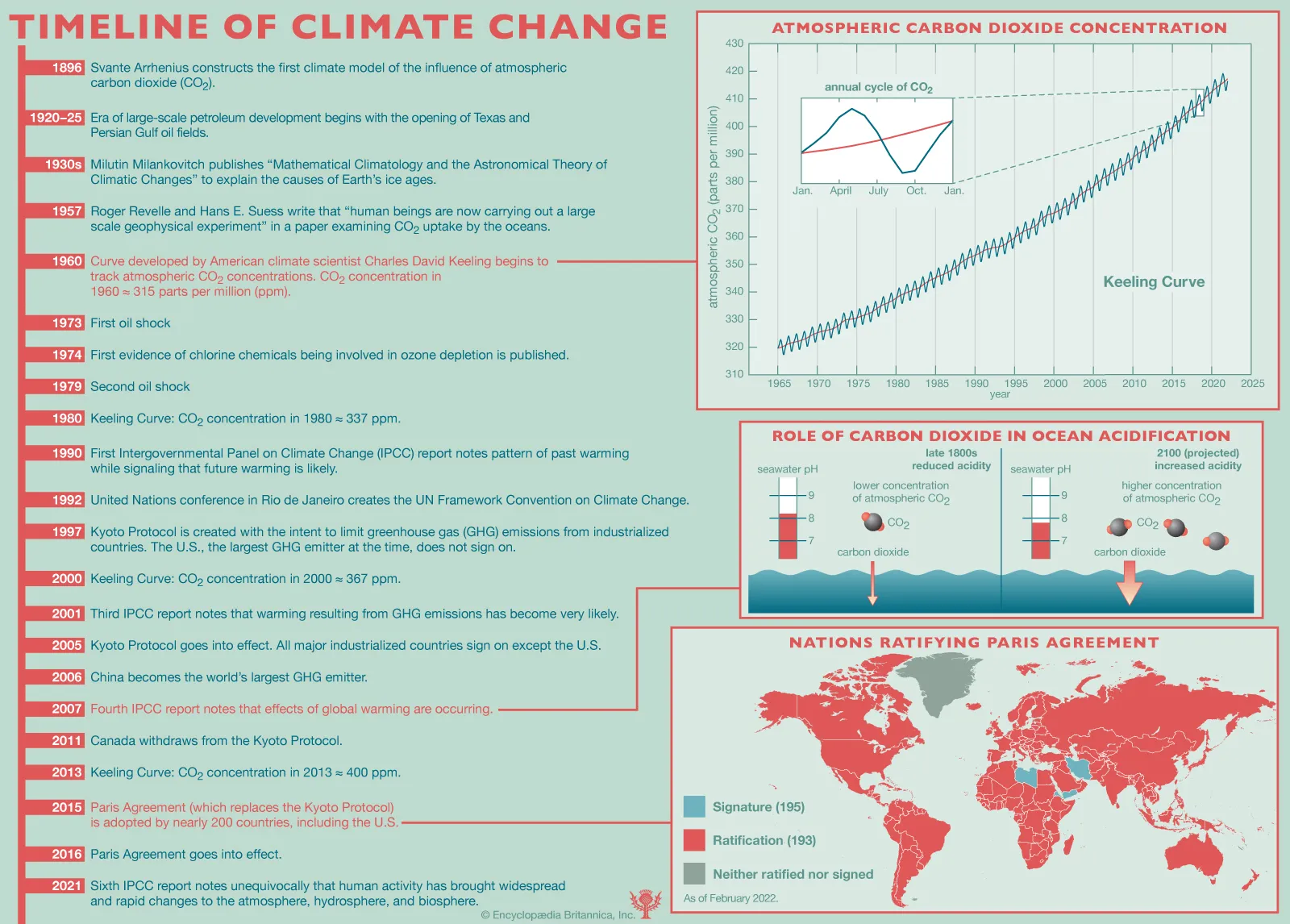
The proliferation of wind farms has yielded numerous environmental benefits. Wind energy is a clean and renewable resource, directly mitigating air pollution and reducing reliance on fossil fuels. By transitioning to wind power, China is not only addressing domestic energy needs but also demonstrating its commitment to fulfilling international climate agreements, such as the Paris Accord.
Economically, the wind power sector has created millions of jobs across manufacturing, installation, and maintenance fields. The Chinese government supports this growth with various incentives, making it an attractive investment opportunity for both domestic and foreign investors.
Conclusion
China’s aggressive expansion of wind farms stands as a testament to its dedication to renewable energy and sustainability. As the country progresses towards its goal of carbon neutrality by 2060, the significance of wind power in its energy mix will only continue to grow. For readers and stakeholders, staying informed about these developments in China’s wind energy landscape is essential, as it holds valuable lessons and insights for the future of global energy solutions.