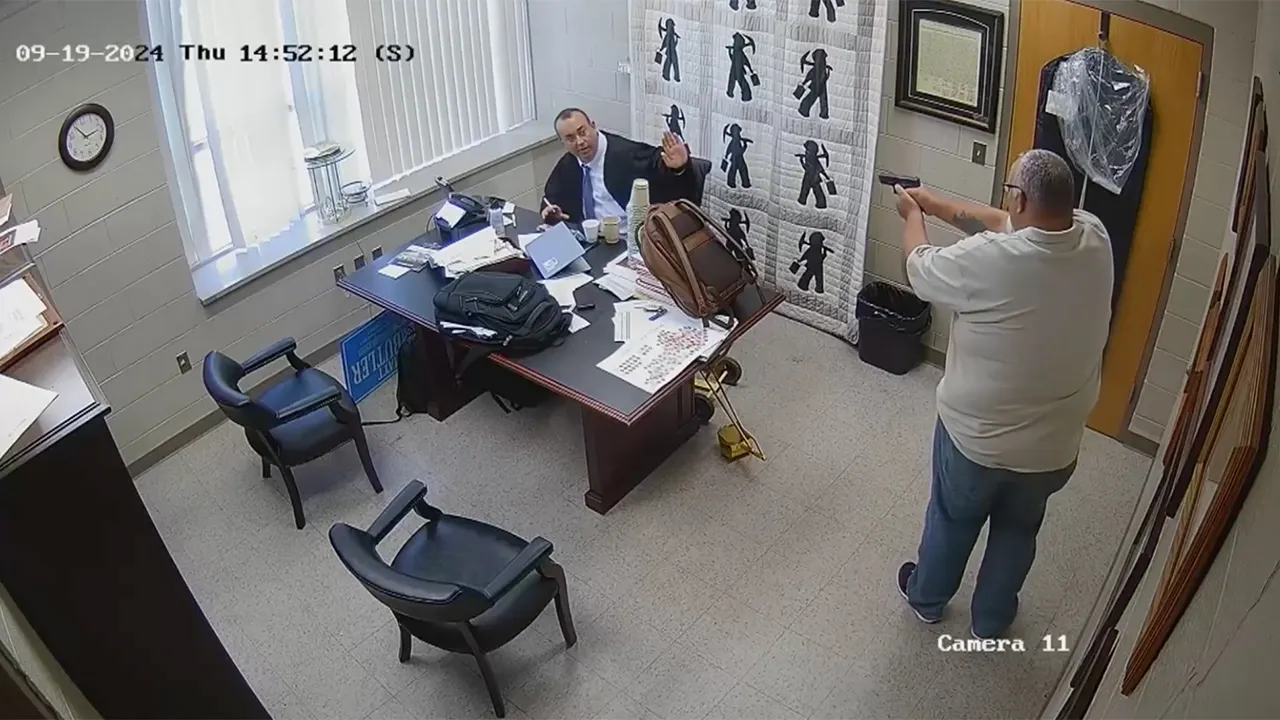
Analyzing Current Crime Trends in the United States

Introduction
Crime remains a pressing issue across the United States, shaping public policy, community safety, and societal norms. Understanding crime trends is crucial for law enforcement agencies and policymakers as they develop strategies to enhance public safety and enhance community relations. Over the past few years, crime rates have fluctuated, influenced by various factors, including economic conditions, public health crises, and social movements.
Current Crime Trends
According to the FBI’s annual Uniform Crime Reporting (UCR) program, recent reports indicate a complex landscape of crime in America. In 2022, while overall crime rates decreased marginally compared to the previous year, certain categories, notably aggravated assaults and homicides, showed an alarming increase. UCR data indicated a 5% rise in homicides compared to 2021, raising concerns among city officials and law enforcement about violence in urban areas.
Furthermore, property crimes have seen notable changes as well. Reports suggest that burglaries have declined significantly, reflecting advancements in home security technology and community policing. However, motor vehicle thefts surged, reaching a reported 20% increase in cities like Los Angeles and Chicago, indicating shifting criminal patterns.
Factors Influencing Crime Rates
The fluctuations in crime can be attributed to several factors, including socioeconomic disparities, the mental health crisis exacerbated by the COVID-19 pandemic, and systemic inequalities. The increase in gun violence has drawn attention, with advocacy for stricter gun control measures gaining momentum in many states. In parallel, community outreach programs and initiatives aimed at reducing crime through preventive measures have gained traction, focusing on youth engagement and development.
Conclusion
In conclusion, crime trends in America highlight an evolving landscape that requires adaptive strategies from law enforcement and community leaders. As cities grapple with rising violence, ongoing debates about policy reforms continue, seeking to balance public safety with individual rights. Looking ahead, it is imperative for stakeholders across various sectors to engage collaboratively, utilizing data-driven approaches to address root causes of crime and improve community cohesion. Understanding these dynamics will be key to fostering safer communities and effectively managing public resources.