Understanding BlackRock: A Leader in Global Investment
Introduction
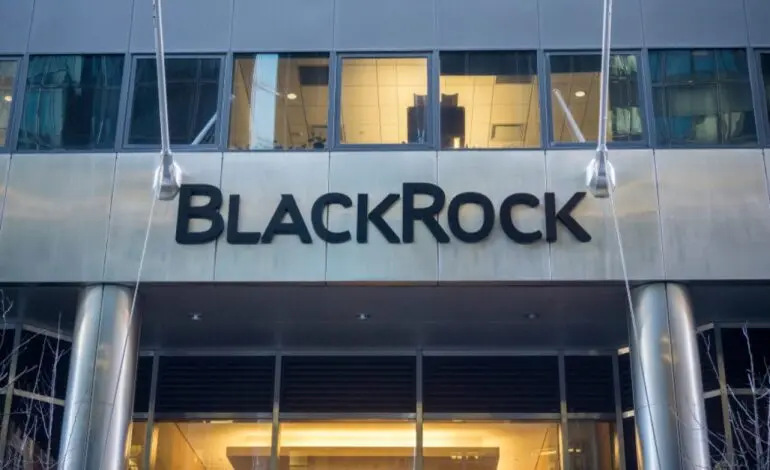
BlackRock, founded in 1988, has become a cornerstone of global finance, managing over $9 trillion in assets across various investment vehicles. Its size and influence have made it a critical player in the global economy, affecting markets and investment strategies around the world. Understanding BlackRock’s operations is essential for investors, policymakers, and anyone interested in the financial markets.
The Recent Developments
In recent news, BlackRock has been expanding its influence in the ESG (Environmental, Social, and Governance) investment sector. The firm’s commitment to sustainability is notable, as they announced plans to increase their investment in renewable energy projects significantly. As part of this drive, BlackRock recently unveiled a $200 billion sustainability fund aimed at supporting transition to a low-carbon economy.
Furthermore, their partnerships with various global non-profits have been strengthened, aiming to promote sustainable practices across industries. This shift towards responsible investing comes amid increasing pressure from investors who are prioritizing environmental and social governance in their portfolios.
Market Impact and Future Outlook
BlackRock’s size and diversification allow it to significantly shape market trends. For example, as the largest provider of exchange-traded funds (ETFs), its investment decisions can lead to drastic changes in stock market performance. In 2023 alone, BlackRock has faced scrutiny over its voting practices and influence on corporate governance, with some stakeholders calling for more transparency in how it exercises its shareholder rights.
Looking forward, analysts expect that BlackRock will continue to lead the charge in reshaping investment strategies towards sustainable practices, potentially setting standards for the industry as a whole. However, this ambition is met with challenges, particularly regarding balancing profitability with ethical considerations.
Conclusion
As BlackRock continues to evolve, the implications of its strategies will be felt across the financial landscape. Investors must keep a keen eye on the company’s developments, particularly in the ESG sector, as these trends will likely influence market dynamics and investment opportunities. BlackRock’s future trajectory will not only impact its clients but also have broader implications for global economic stability and the ongoing shift towards sustainability in finance.