Current Events Shaping Europe in 2023
Introduction
As one of the world’s most influential regions, Europe is a focal point for a variety of pressing issues, from political shifts to economic trends and climate change. Understanding the current events and dynamics within Europe provides valuable insights into global affairs. This article explores significant developments in Europe in 2023, highlighting their implications for the future.
Political Landscape
This year has seen a series of elections across Europe, reshaping political power. Notably, Spain recently held a general election that resulted in a fragmented parliament, reflecting rising polarization among its citizens. The implications of such political instability can lead to difficulties in governance and uncertainty in policy-making, which could affect Spain’s EU relationships and economic stability.
In Eastern Europe, tensions between NATO countries and Russia remain high. The ongoing conflict in Ukraine continues to influence European defense policies and energy strategies. Countries like Poland and the Baltic states are reinforcing their military capabilities, while discussions about energy independence from Russia are intensifying throughout the region.
Economic Trends
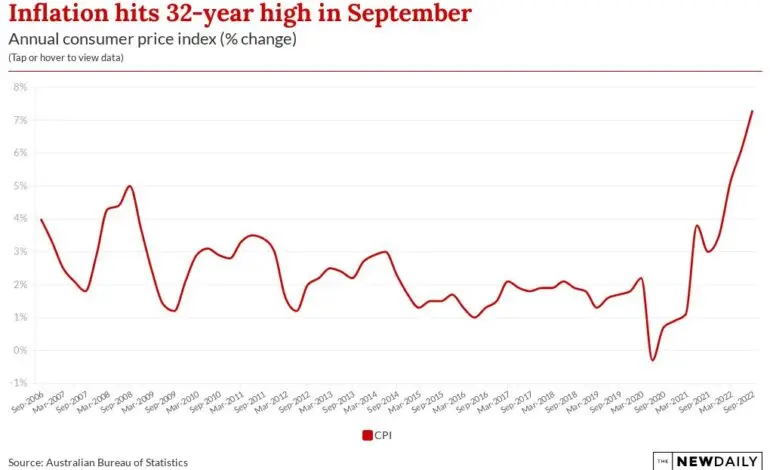
The European economy faces challenges, including rising inflation and energy prices stemming from geopolitical tensions. According to the European Central Bank, inflation in the Eurozone has reached record levels, prompting discussions about potential interest rate hikes to stabilize the economy. This situation puts pressure on households and businesses and could lead to a slowdown in economic growth.
Nonetheless, many European nations are pivoting towards green technologies and sustainable practices to foster long-term economic resilience. The EU’s Green Deal aims to make Europe the first climate-neutral continent by 2050, and various initiatives to promote renewable energy sources are gaining momentum.
Social Issues and Movements
Social movements advocating for equality and justice have gained traction across Europe. The recent protests in France against pension reforms reflect a broader trend of citizens voicing dissatisfaction with government policies. Similarly, issues surrounding climate change have led to youth-led movements demanding action. As societal challenges persist, citizen engagement and activism are likely to shape the policies of the future.
Conclusion
The events unfolding in Europe in 2023 are indicative of a region grappling with political, economic, and social transformation. As these dynamics evolve, they will not only influence Europe’s internal affairs but also its role on the global stage. Observers should closely monitor these trends as they could have long-lasting repercussions for international relations, economic stability, and social cohesion. In the face of challenges, Europe’s trajectory in the coming years will reflect its ability to adapt, respond, and engage with both its immediate neighborhood and the broader world.