West Bengal Assembly Election Results: A Crucial Moment for Mamata Banerjee
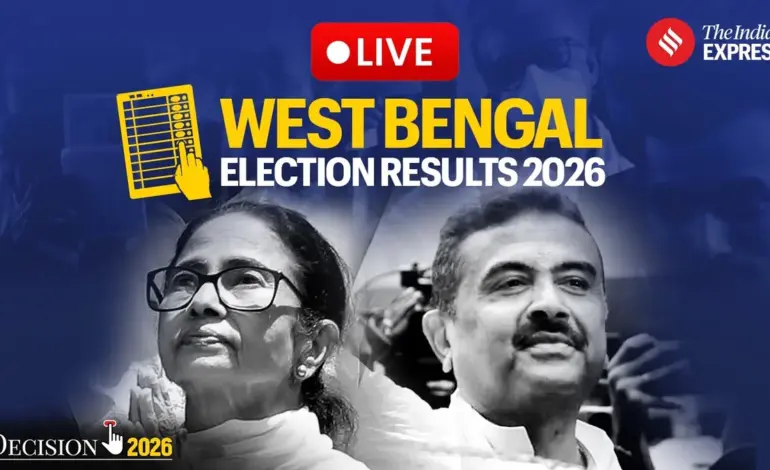
The West Bengal Assembly election results are pivotal as they could determine the future of Mamata Banerjee’s leadership against a resurgent BJP. Scheduled for May 4, 2026, this election has been a focal point for both parties, especially after the BJP’s previous attempts to gain a foothold in the state.
The campaign leading up to the elections was marked by significant controversy, particularly over the Special Intensive Revision (SIR) of electoral rolls. Ahead of the polls, around 91 lakh voters were removed from the electoral rolls, with 27 lakh cases sent to adjudication tribunals. This raised questions about fairness and accessibility in a state where voter turnout reached an impressive 92.5%.
On April 29, 2026, voters in Swarupnagar cast their ballots, while the counting of votes began at 8 AM on May 4. The stakes were high — with the BJP aiming to cross the 100-seat mark in the 294-member assembly. The last assembly elections saw TMC’s Dr. Nirmal Maji winning in Uluberia Uttar by a margin of over 21,000 votes.
As results began to trickle in, analysts noted that this election serves as a test of competing national narratives between the BJP and TMC. “The magic number is 148,” said one political analyst, highlighting that a narrow victory for either party could shift perceptions dramatically regarding electoral integrity and strategy.
What happens next is crucial not just for Mamata Banerjee but also for her party, TMC. If she secures a fourth consecutive term, it would affirm her dominance in West Bengal politics. Conversely, if the BJP manages to breach what it has long called its ‘last frontier,’ it could signal a seismic shift in regional dynamics.
Both camps are poised for intense scrutiny as officials count votes and analyze outcomes. If results are close, discussions surrounding the SIR exercise will likely dominate headlines — raising questions about its impact on voter behavior and electoral fairness.
This election encapsulates more than just local governance; it reflects broader political trends at play across India. As Mamata Banerjee faces off against Suvendu Adhikari from the BJP, all eyes are on how these results will shape future elections and party strategies.