Ilhan Omar: Trump’s Rhetoric Sparks Renewed Controversy
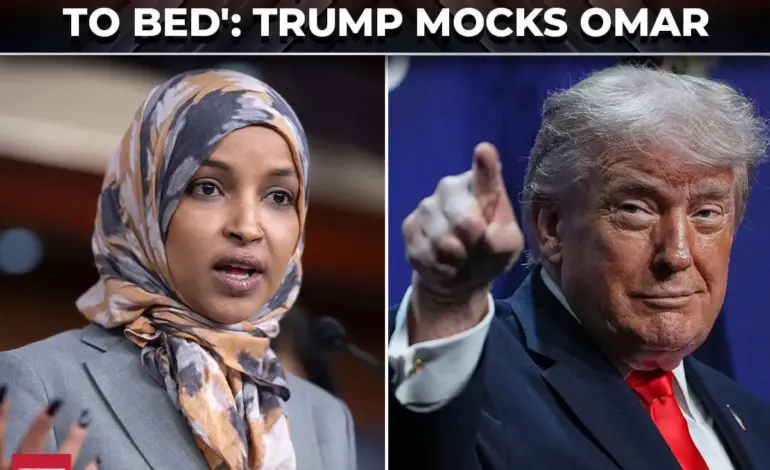
During a recent Trump rally in Florida, Donald Trump directed mockery at Representative Ilhan Omar, claiming she married her brother, which he labeled as ‘totally illegal’. This incident has reignited discussions around Trump’s controversial rhetoric towards immigrants and the implications for Muslim representation in the U.S. Congress.
Prior to this event, the expectation was that Omar, a Democratic Representative from Minnesota, would continue to face scrutiny due to longstanding rumors about her personal life—specifically, allegations regarding her marriage. These claims first surfaced in 2016 and have since been a point of contention in political discourse.
The decisive moment came when Trump called Omar a ‘phony’ during his speech, intensifying the already heated immigration debate. His remarks not only targeted Omar but also included derogatory descriptions of Somalia, painting it as a ‘filthy’ place. Such language reflects a pattern in Trump’s political rhetoric that often marginalizes immigrant communities.
Omar responded sharply to Trump’s comments. She criticized his legal history—pointing out his 34 felony convictions—and described his tirade as an ‘unhinged rant’. This exchange illustrates the direct effects on both parties involved: Trump rallies his base by appealing to anti-immigrant sentiments, while Omar continues to stand as a symbol of resilience against such attacks.
Experts suggest that this kind of political rhetoric can have broader implications for immigrant communities and their representation in politics. It raises questions about how such narratives shape public perception and policy regarding immigration. The ongoing Omar marriage controversy serves as a case study in how personal attacks can intertwine with larger societal issues.
As discussions unfold, one can’t help but reflect on the role of political leaders in shaping narratives around race and immigration. The backlash against Trump’s remarks highlights a growing awareness and pushback against harmful stereotypes. In this context, Omar’s position as one of the first Muslims elected to the U.S. Congress becomes even more significant.
The conversation surrounding these events is complex, revealing deep-seated tensions within American society regarding race, identity, and belonging. The repercussions of Trump’s comments will likely resonate far beyond this single incident—impacting not just Omar but also countless others who see their identities politicized.
Ultimately, this incident is not merely about one politician’s remarks; it encapsulates a larger struggle over how immigrant voices are represented—or misrepresented—in American politics today.