SSA’s Bold Move to Transform Meghalaya Education
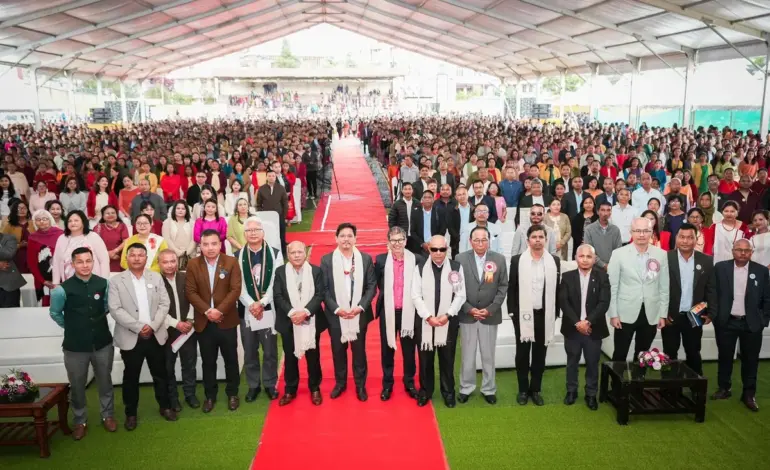
The Samagra Shiksha Assam (SSA) is set to significantly impact education in Meghalaya by enhancing foundational skills among students while also ensuring financial stability for teachers. This initiative focuses on students from Classes 3 to 5, aiming to transform the educational landscape.
Key components of the SSA’s plan include the continuation of the ‘Teaching at the Right Level’ (TaRL) intervention, which has proven effective in improving student performance. Teachers are required to complete baseline assessments by May 5, 2026, with midline and endline assessments scheduled for June 30, 2026, and February 25, 2027, respectively. Schools must upload learning achievement data to Shiksha Setu after each assessment.
Moreover, Chief Minister Conrad K Sangma emphasized that the financial implications of this structured pay framework should not be viewed solely through a monetary lens. “The financial impact that we are going to have cannot be judged in terms of the rupees we spent,” he stated. This perspective highlights a broader commitment—transforming lives rather than just numbers.
The SSA initiative is expected to bring smiles—not just from the 23,000 teachers involved but potentially from their families as well, amounting to around one lakh smiles. This ripple effect illustrates the potential community-wide benefits of investing in education and teacher welfare.
Historically, Meghalaya has faced challenges in educational outcomes. Collaborating with organizations like Pratham Education Foundation, SSA aims to address foundational reading and arithmetic skills that have long been neglected. But will this comprehensive approach yield immediate results? Observers remain cautiously optimistic.
As part of this initiative, key resource persons (KRPs) will conduct online orientation sessions for teachers in phases—a necessary step towards ensuring effective implementation. The focus on teacher training is crucial; after all, a well-supported educator can make all the difference in a child’s learning journey.
Yet, amidst these promising developments, there are concerns about external threats—such as phishing scams targeting educators—highlighting the need for vigilance within this evolving educational framework.
The SSA’s approach represents a significant shift in Meghalaya education policy. With clear timelines for assessments and an emphasis on foundational skills, the hope is that this initiative will not only improve student assessments but also create a sustainable teacher pay framework that benefits all stakeholders involved.