Voting Percentage in West Bengal 2026 Surpasses Expectations
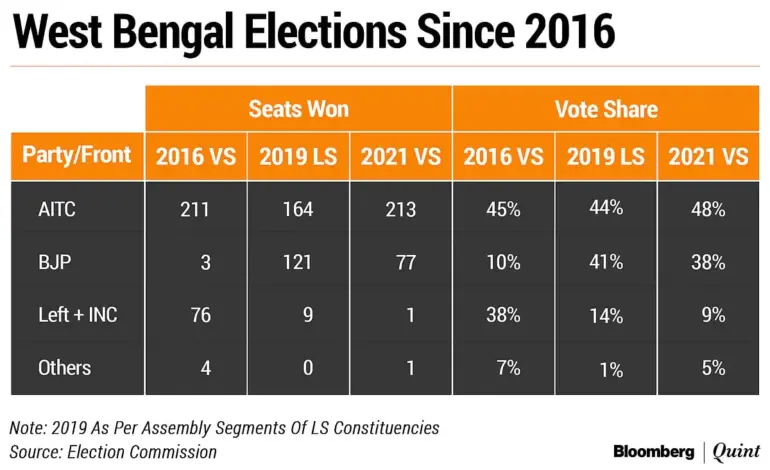
The voter turnout in West Bengal’s 2026 elections reached an impressive 89.99%, surpassing the previous record of 80.4% from 2021 for the same seats. This figure reflects a notable shift in voter engagement, particularly given the political climate leading up to this election.
Before this development, expectations were mixed. Many anticipated a lower turnout due to ongoing tensions between the Bharatiya Janata Party (BJP) and the Trinamool Congress (TMC). Mamata Banerjee’s allegations of electoral malpractices — claiming that “the BJP wants to rig this election” — had created an atmosphere of skepticism.
However, the decisive moment arrived as polling began on April 29, 2026. By 5 PM, reports indicated that Phase 1 of the assembly polls had concluded with a record voter turnout of 92.25%. This enthusiasm carried through to subsequent phases, with Purba Bardhaman recording the highest turnout at 94.06%.
The immediate effects on the parties involved are telling. The TMC, under Mamata Banerjee’s leadership, seems to have galvanized its base effectively, despite her claims about central forces favoring the BJP — “Central forces are supposed to guard the country’s borders, but instead they are working for a particular party,” she stated.
Data reveals that districts like Hooghly and Nadia also reported high turnouts of 90.34% and 90.28%, respectively. This broad participation suggests a vibrant electoral process, contrasting sharply with earlier predictions of voter apathy.
Experts emphasize that such high engagement levels can reshape future political strategies for both parties. It indicates not just a response to local issues but also a reflection of national sentiments towards Narendra Modi’s government and its policies.
This trend in voter turnout may signal deeper implications for West Bengal’s political landscape moving forward, especially as assembly constituencies continue to witness fierce competition. The upcoming phases will be crucial as they could further influence party dynamics and strategies.