Paytm Payments Bank Loses Banking Licence Amid Compliance Failures
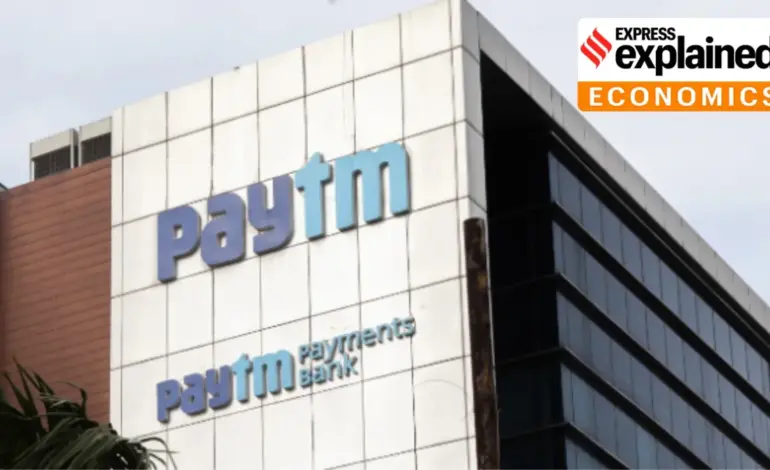
“The bank is not complying with provisions of Section 22 (3) (c) of the BR Act,” stated the Reserve Bank of India (RBI) in a decisive move to cancel the banking licence of Paytm Payments Bank Limited. This action underscores a series of management failures and compliance issues that have plagued the bank for years.
Paytm Payments Bank, which has been under regulatory scrutiny since 2018, faced mounting concerns over its adherence to KYC norms and overall financial compliance. The RBI’s decision comes after a history of penalties — including a significant Rs 5.39 crore fine imposed in October 2023. The bank’s management was found to be detrimental not just to its own operations but also to the interests of depositors.
In recent years, the RBI had already restricted Paytm Payments Bank from onboarding new customers and accepting deposits, indicating a downward trajectory that many saw as inevitable. The RBI remarked, “The general character of the management of the bank is prejudicial to the interest of depositors as also the public interest.” Such statements reflect deep-seated concerns about how Paytm Payments Bank operated under the umbrella of One97 Communications.
As it stands, Paytm Payments Bank is prohibited from conducting any business with immediate effect. The RBI has assured that the bank possesses enough liquidity to settle its entire deposit liability upon winding up operations — a silver lining amid an otherwise bleak scenario.
The RBI will apply to the High Court for the winding up of Paytm Payments Bank, cementing what many analysts view as a necessary step in safeguarding public interest. However, this raises questions about the future landscape of digital banking in India. Will other fintech players take heed?
Paytm Payments Bank’s downfall serves as a cautionary tale for startups navigating regulatory waters. With Vijay Shekhar Sharma holding a 51% stake and One97 Communications owning the remaining 49%, internal governance may need serious reevaluation to prevent similar failures in the future.
This development signals more than just an end for one bank; it could reshape how digital banks operate under stringent regulations moving forward. Still, uncertainties linger regarding how this will impact existing customers and their funds.