Lyrid Meteor Shower: A Celestial Spectacle Returns
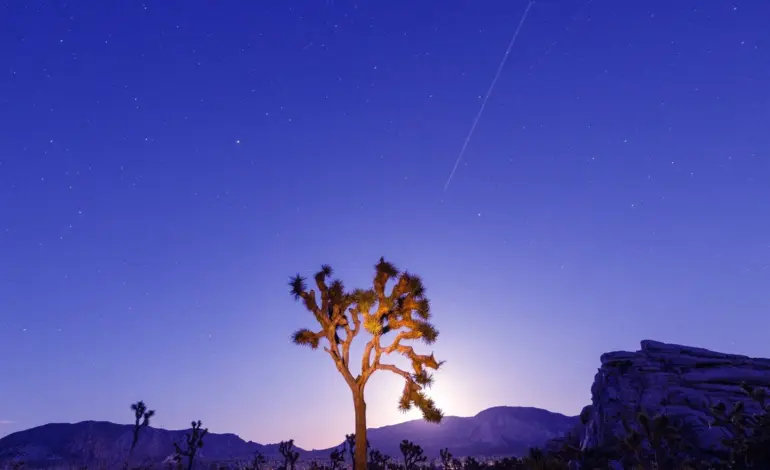
The Lyrid meteor shower peaks from April 21 to April 22, presenting an opportunity for skywatchers to witness up to 100 meteors per hour under optimal conditions. This annual event—rooted in over 2,700 years of observation—continues to captivate enthusiasts and casual observers alike.
These meteors originate from Comet C/1861 G1 Thatcher, which leaves behind a trail of debris that Earth passes through each spring. As the Earth moves through this debris field, meteors streak across the sky, often appearing near the constellation Lyra, close to its brightest star, Vega.
During this year’s peak, observers in the Northern Hemisphere can expect to see an average of 15–20 meteors per hour if skies are clear. The meteors are known for their speed and brightness—often leaving glowing trails that linger for moments after they pass.
For those eager to catch the show, the best viewing time is after midnight when Lyra rises higher in the sky. But it takes about 30 minutes for your eyes to adjust to darkness, so plan accordingly.
The historical significance of the Lyrids cannot be overstated. They are among the oldest recorded meteor showers, with observations dating back to 687 BC. This rich history adds a layer of wonder for those who gaze upward during this celestial event.
As we approach the peak dates, excitement builds among astronomers and casual stargazers alike. The anticipation is palpable—will this year’s display surpass previous ones? Numbers suggest it might; with ideal conditions, some enthusiasts could witness up to 100 meteors in an hour.
In summary, as we prepare for this year’s Lyrid meteor shower, let us remember its long-standing legacy and marvel at the cosmic dance unfolding above us. The universe continues to remind us of our place within it.