ప్రకాష్ రాజ్: Prakash Raj’s Controversial Comments Ignite Fury
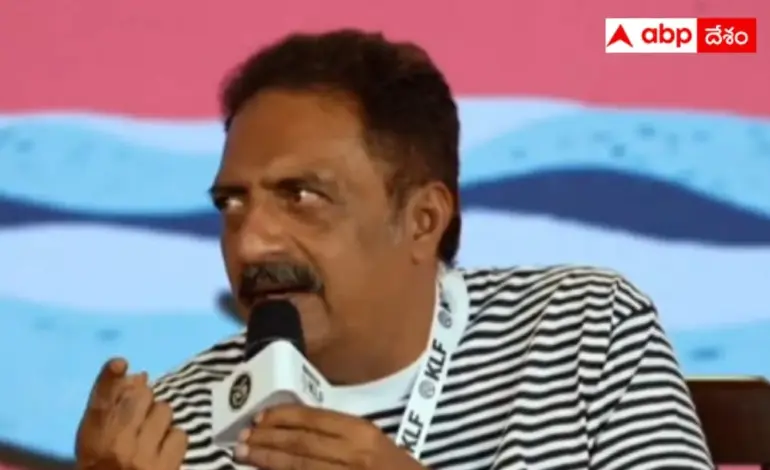
On April 17, 2026, at a literary festival in Kerala, actor Prakash Raj made comments that would soon stir a storm. He described Lord Rama and Lakshmana as migrant workers from North India, a statement that many found provocative.
Raj claimed that these figures from the Ramayana had stolen fruits from Ravana’s orchard—an assertion that not only reinterprets a sacred text but also inflames existing regional tensions. This narrative twist was met with immediate backlash.
Hindu organizations and outraged netizens expressed their anger vehemently. Critics quickly labeled his remarks as an affront to Hindu beliefs. One social media user pointedly remarked, “Prakash Raj narrates a made-up version of Ramayana to mock Hindus.” The accusation was not just about misrepresentation; it was an indictment of his motives.
Many felt that his comments were designed to provoke for political gain—an unforgivable act in the eyes of those who hold the epic dear. The Ramayana is considered a sacred epic in Hinduism, and any distortion of its narrative is seen as deeply offensive.
Furthermore, the implications of his statements extend beyond mere words. By framing Rama and Lakshmana as outsiders—migrant workers—Raj incited discussions on regional identities that often lie dormant yet are sensitive in Indian society.
His remarks were further criticized for allegedly promoting beef eating, which many Hindus find objectionable. Social media users condemned this aspect as well, arguing it distorts cultural values for sensationalism.
Yet, amid the uproar, some defended Raj’s right to express his views. They argue that artistic freedom should allow for reinterpretation—even if it ruffles feathers. Still, the question remains: at what cost?
The current state of affairs sees Prakash Raj at the center of a cultural firestorm. His comments have not only reignited debates about religious sensitivity but also exposed fissures within Indian society regarding identity and belief.
This sequence of events matters significantly. For those involved—be it Raj or the outraged communities—it highlights the delicate balance between artistic expression and cultural respect. In today’s polarized environment, every word holds weight.
As discussions continue to unfold online and offline, one thing is clear: the dialogue surrounding these events will shape perceptions for years to come. Details remain unconfirmed regarding any potential repercussions Raj might face from this controversy.